
Why Choosing the Right Brand Matters
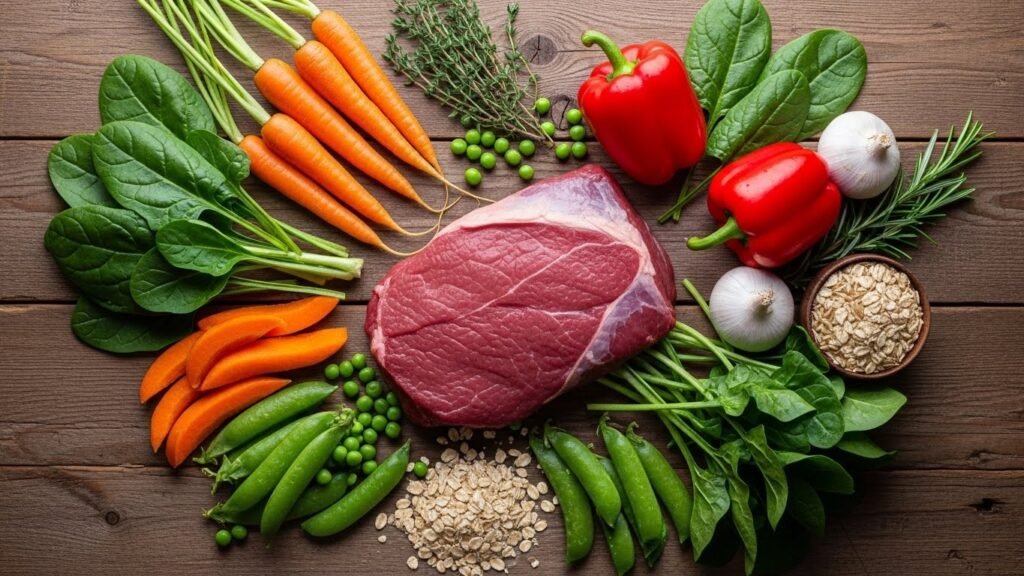
Choosing among the best dog food brands is one of the most important decisions dog owners make. The brand behind a product influences ingredient quality, safety standards, formulation consistency, and long-term nutritional reliability. These factors directly affect a dog’s health, digestion, and overall quality of life.
With hundreds of brands competing for attention, marketing claims can make it difficult to distinguish real nutritional value from branding tactics. Labels often highlight buzzwords such as “premium,” “natural,” or “vet approved,” but these terms alone do not guarantee quality.
Understanding how dog food brands differ—and what truly matters behind the name—helps owners make confident, informed choices that go beyond packaging and price.
What Makes a Dog Food Brand Trustworthy?
A trustworthy dog food brand prioritizes nutrition, safety, and transparency. This means investing in high-quality ingredients, following established nutritional guidelines, and maintaining consistent manufacturing standards.
Reliable brands clearly disclose ingredient sources, nutritional analysis, and feeding guidelines. They also demonstrate accountability through quality control processes, testing, and openness about how their products are made.
Trustworthiness is built over time. Brands that consistently deliver balanced nutrition and respond responsibly to issues tend to earn long-term confidence from both pet owners and professionals.
Ingredient Quality vs Brand Reputation
Brand recognition does not always reflect ingredient quality. Some well-known brands rely heavily on reputation while using lower-quality fillers or vague ingredient descriptions. At the same time, lesser-known brands may offer excellent formulations with superior transparency.
Evaluating dog food requires looking beyond the brand name and examining ingredient lists, protein sources, and nutritional balance. Clearly identified animal proteins, minimal artificial additives, and well-defined formulations are stronger indicators of quality than popularity alone.
Understanding this distinction empowers owners to choose foods based on substance rather than familiarity.

Understanding Dog Food Manufacturing Standards
Manufacturing standards play a critical role in dog food safety and consistency. High-quality brands follow strict guidelines for ingredient handling, processing, and testing to ensure that each batch meets nutritional specifications.
Facilities that maintain rigorous quality control reduce the risk of contamination, nutrient loss, or formulation errors. Transparency about manufacturing locations and processes is often a positive sign of brand accountability.
Understanding how dog food is produced helps owners assess whether a brand prioritizes safety and nutritional integrity beyond marketing claims.
Protein Sources and Brand Transparency
Protein quality is one of the clearest indicators of a dog food brand’s commitment to nutrition. Trustworthy brands clearly identify protein sources, such as chicken, beef, lamb, or fish, rather than using vague terms like “meat meal” or “animal by-products.”
Transparent labeling allows owners to understand exactly what their dogs are consuming. Brands that openly explain sourcing, processing methods, and nutritional intent demonstrate accountability and confidence in their formulations.
Evaluating protein transparency helps owners filter out brands that rely on marketing language instead of nutritional substance.
👉Dog Nutrition Basics: Essential Nutrients for a Healthy Dog
Commercial Dog Food Categories Explained
Dog food brands are often grouped into categories such as budget, premium, super premium, and natural. These labels generally reflect price, ingredient sourcing, and formulation complexity, but they do not always guarantee superior nutrition.
Budget brands may prioritize affordability while using simpler formulations. Premium and super premium brands often invest more in ingredient quality, research, and testing. Natural brands emphasize ingredient sourcing and minimal processing, though definitions can vary.
Understanding these categories helps owners set realistic expectations and evaluate whether higher cost aligns with meaningful nutritional benefits.
Dry, Wet, Fresh, and Homemade Brands
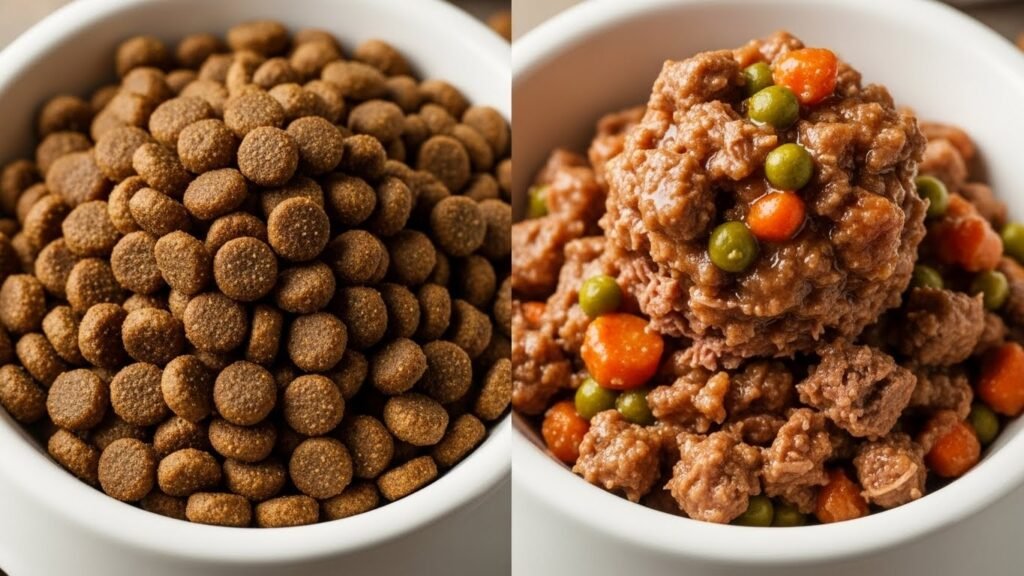
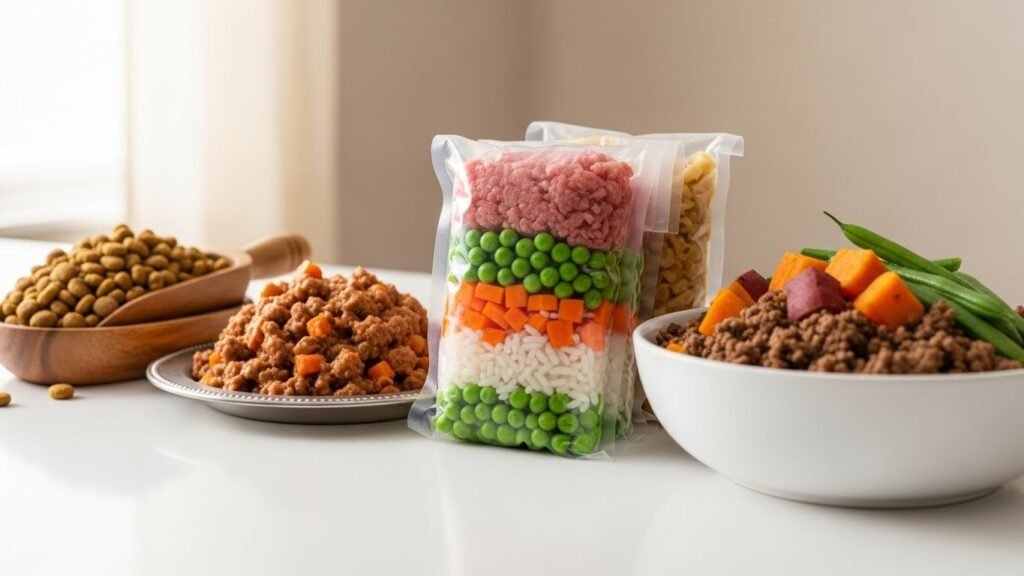
Dog food brands differ not only by ingredient quality but also by format. Dry food brands focus on convenience and shelf stability, while wet food brands emphasize palatability and moisture content. Fresh food brands prioritize minimal processing and ingredient transparency.
Homemade diets represent a separate category, offering full control over ingredients but requiring careful nutritional planning. Each format serves different lifestyles and dietary needs.
Recognizing how brands position themselves across these formats helps owners match food choices to their dog’s preferences and health requirements.
👉Dry Dog Food vs Wet Dog Food: Which Is Better?
👉Homemade Dog Food: Complete Guide for Healthy Meals
Grain-Inclusive vs Grain-Free Brands
Grain-inclusive and grain-free brands address different nutritional philosophies. Grain-inclusive brands use grains such as rice or oats as carbohydrate sources, often chosen for digestibility and energy balance.
Grain-free brands replace grains with alternatives like legumes or potatoes, aiming to accommodate dogs with grain sensitivities. However, grain-free does not automatically mean healthier, and formulation quality remains critical.
Understanding the intent and execution behind these brand approaches helps owners avoid assumptions and choose based on their dog’s actual needs.
👉 Grain Free Dog Food: Benefits, Risks, and What to Know
Dog Food Brands for Different Life Stages
Dog food brands often design formulas specifically for different life stages, recognizing that puppies, adult dogs, and senior dogs have distinct nutritional requirements. A reliable brand clearly indicates which life stage each product supports and explains the reasoning behind its formulation.
Puppy-focused brands typically emphasize higher protein and calorie density to support growth. Adult maintenance formulas aim for balanced nutrition, while senior formulas often adjust calories, fat levels, and joint-support nutrients.
Choosing brands that respect life stage differences helps prevent nutritional imbalances and supports long-term health.
👉 Best Dog Food for Senior Dogs
Brands for Special Health Needs
Some dog food brands specialize in addressing specific health needs. These include formulas designed for sensitive stomachs, food allergies, or weight management. Brands that focus on these areas often invest in targeted ingredient selection and controlled nutrient profiles.
Specialized brands typically reduce ingredient complexity, avoid common triggers, and prioritize digestibility. While these foods are not always necessary for healthy dogs, they can be highly beneficial for dogs with ongoing health concerns.
Selecting brands with proven experience in special dietary needs increases the likelihood of positive outcomes.
👉 Best Dog Food for Sensitive Stomachs: What to Choose
👉 Best Dog Food for Allergies: What Really Works
👉 Best Dog Food for Weight Loss: Healthy Options Explained

Reading Dog Food Brand Labels Correctly
Reading brand labels correctly is essential when comparing dog food options. Ingredients are listed by weight, making the first few items especially important. Brands that clearly identify animal protein sources demonstrate greater transparency.
The guaranteed analysis provides insight into protein, fat, fiber, and moisture levels, but should be evaluated alongside ingredient quality. Marketing terms such as “premium” or “holistic” are not regulated and should not replace factual analysis.
Understanding label details helps owners make informed decisions and avoid misleading branding tactics.
👉 Dog Food Ingredients to Avoid: What Every Owner Should Know
Price vs Quality: Are Expensive Brands Better?
Higher-priced dog food brands are often assumed to be better, but price alone does not guarantee superior nutrition. Some expensive brands invest heavily in marketing rather than formulation quality, while some mid-range brands deliver excellent nutritional value.
Quality should be evaluated based on ingredient transparency, nutritional balance, safety standards, and consistency rather than cost alone. In many cases, the best choice lies in balancing affordability with meaningful nutritional benefits.
Understanding the relationship between price and quality helps owners avoid overpaying while still prioritizing their dog’s health.
Brand Consistency and Quality Control
Consistency is a critical but often overlooked aspect of dog food brands. Reliable brands maintain stable formulations over time, ensuring that each bag or can delivers the same nutritional profile your dog is accustomed to.
Frequent changes in ingredients or nutrient ratios can disrupt digestion and cause confusion for owners. Brands with strong quality control systems test batches regularly and monitor ingredient sourcing to reduce variability.
Choosing a brand known for consistency helps protect long-term digestive stability and nutritional balance.
Dog Food Recalls and Brand Responsibility
Dog food recalls happen across the industry, but how a brand responds reveals its level of responsibility. Transparent brands communicate quickly, explain the cause clearly, and take corrective action to prevent recurrence.
A history of recalls does not automatically disqualify a brand, but repeated issues or poor communication are warning signs. Responsible brands prioritize safety, testing, and accountability over image management.
Understanding recall history empowers owners to evaluate brand reliability beyond marketing claims.
Vet-Recommended vs Popular Brands
Many brands promote themselves as “vet-recommended,” but this phrase can mean different things. In some cases, it reflects genuine veterinary involvement in formulation or testing. In others, it may simply indicate popularity among clinics or sponsorship arrangements.
Popular brands often benefit from visibility and distribution rather than superior nutrition. Veterinary endorsement should be supported by evidence such as research, feeding trials, and formulation transparency.
Evaluating the substance behind recommendations helps owners distinguish credibility from promotion.
Switching Between Dog Food Brands Safely
Switching dog food brands should always be done with care. Even high-quality foods can cause digestive upset if introduced too quickly.
A gradual transition over seven to ten days allows the digestive system to adapt. Mixing increasing amounts of the new brand with the previous food helps reduce the risk of diarrhea or vomiting.
👉 How to Switch Dog Food Safely: A Step-by-Step Transition Guide
Monitoring your dog during the transition provides valuable feedback and supports a smoother change.
How to Choose the Best Brand for Your Dog
Choosing the best dog food brand requires aligning brand strengths with your dog’s individual needs. Factors such as age, activity level, health concerns, and ingredient sensitivities should guide decisions.
Evaluating ingredient transparency, manufacturing standards, and brand consistency creates a clearer picture than relying on popularity alone. The best brand is one that supports your dog’s health reliably over time.
A thoughtful selection process reduces trial-and-error and builds long-term nutritional confidence.
Final Thoughts: Making Smart Brand Choices Long Term
Selecting among the best dog food brands is not about finding a perfect option but about making informed, consistent choices. Brand quality, transparency, and accountability matter more than trends or advertising claims.
By understanding how brands differ and what truly influences nutrition, owners can navigate the market with confidence. Long-term success comes from choosing a brand that aligns with your dog’s needs and maintaining consistency once a good match is found.
Smart brand decisions today lay the foundation for healthier, happier dogs tomorrow.