
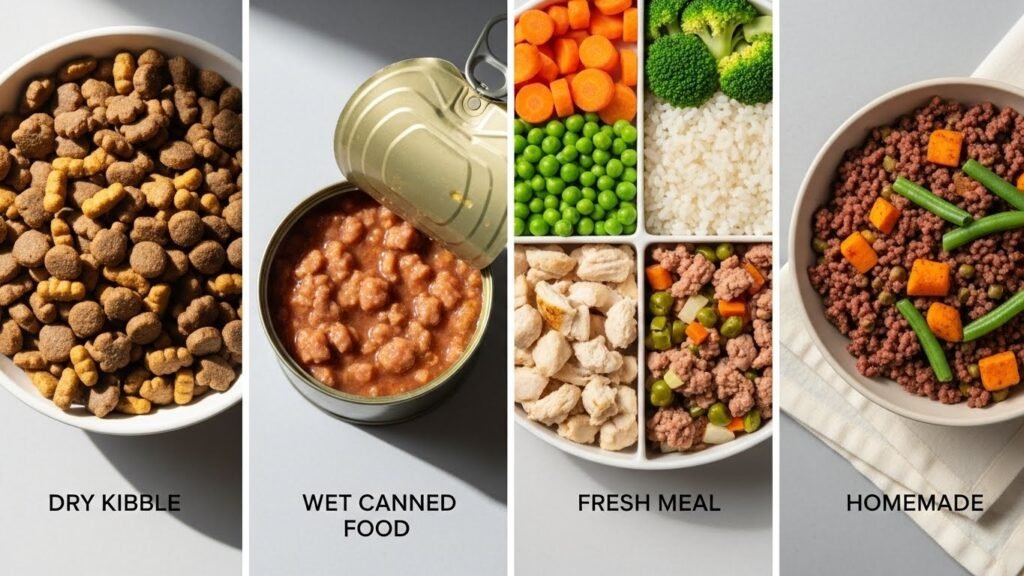
Changing your dog’s food may seem simple, but switching too quickly can lead to digestive upset, loss of appetite, or discomfort. Many dogs experience issues not because the new food is bad, but because the transition was done incorrectly.
This guide explains how to switch dog food safely, what signs to watch for, and how to adjust the process based on your dog’s age, sensitivity, and nutritional needs.
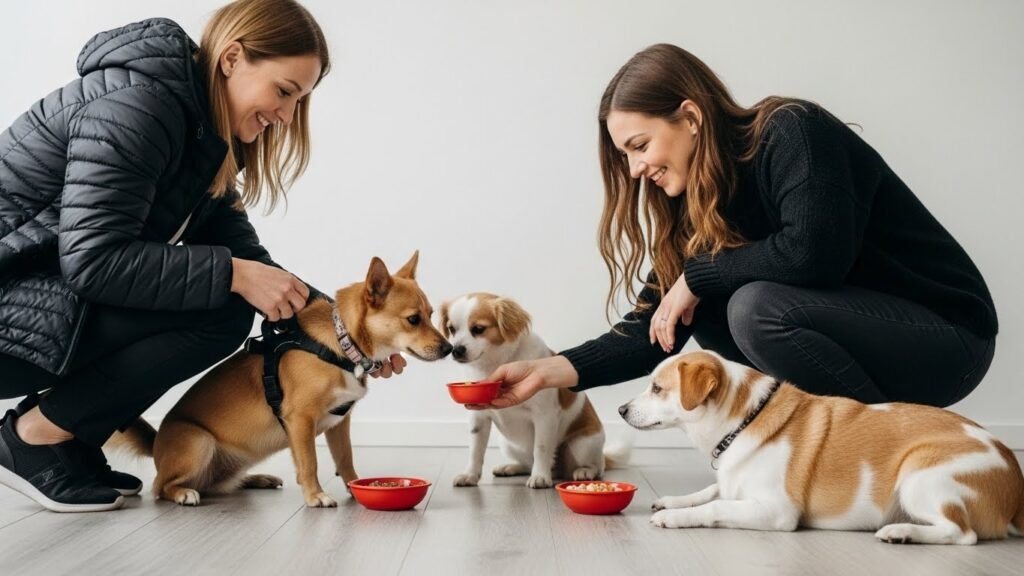
Why Switching Dog Food Requires a Gradual Process
A dog’s digestive system adapts to specific ingredients over time. Sudden changes can disrupt the balance of gut bacteria, leading to diarrhea, vomiting, gas, or refusal to eat.
A gradual transition allows your dog’s body to adjust smoothly, reducing stress on the digestive system and helping you evaluate how well the new food is tolerated.
When Should You Change Your Dog’s Food?
There are several valid reasons to switch dog food. Puppies transitioning to adult food, senior dogs with changing nutritional needs, and dogs developing allergies or sensitivities often require dietary adjustments.
Other common reasons include changes in activity level, weight management goals, or recommendations from a veterinarian. The key is identifying whether the change is necessary and choosing the right replacement.
Step-by-Step Guide to Switching Dog Food Safely
Most dogs benefit from a transition period lasting 7 to 10 days.
Day 1–2:
Mix 75% old food with 25% new food.
Day 3–4:
Mix 50% old food with 50% new food.
Day 5–6:
Mix 25% old food with 75% new food.
Day 7+:
Serve 100% of the new food if no issues appear.
This schedule can be slowed down for dogs with sensitive stomachs.

Signs Your Dog Is Adjusting Well — or Not
Positive signs include normal stool consistency, stable appetite, and good energy levels. Mild changes can be normal in the first few days.
Warning signs that require slowing down or stopping the transition include persistent diarrhea, vomiting, excessive itching, lethargy, or refusal to eat. In these cases, returning temporarily to the previous food may help stabilize digestion.
👉 Dog Food Ingredients to Avoid
Special Considerations for Puppies and Senior Dogs
Puppies have developing digestive systems and higher nutritional demands, which makes careful transitions essential. Senior dogs may require softer textures, adjusted protein levels, or formulas that support joint and digestive health.
Both age groups benefit from slower transitions and closer monitoring.
👉 Best Dog Food for Senior Dogs
Dry Food, Wet Food, and Switching Between Formats
Switching between dry and wet food can be beneficial, but it should still follow a gradual process. Differences in moisture content and digestibility can affect stool consistency.
If you are unsure which format is best for your dog, a detailed comparison can help guide your decision.
Common Mistakes to Avoid When Switching Dog Food
One of the most common mistakes is switching foods abruptly. Another is changing multiple variables at once, such as food brand and portion size simultaneously.
Always measure portions carefully and avoid introducing new treats during the transition period, as this can make it harder to identify the cause of digestive issues.
Final Thoughts
Learning how to switch dog food safely helps protect your dog’s digestive health and overall well-being. A slow, structured transition allows you to observe how your dog responds and ensures the new food truly supports their needs.
By paying attention to portion sizes, ingredient quality, and your dog’s individual response, you can make dietary changes with confidence and avoid unnecessary discomfort.