
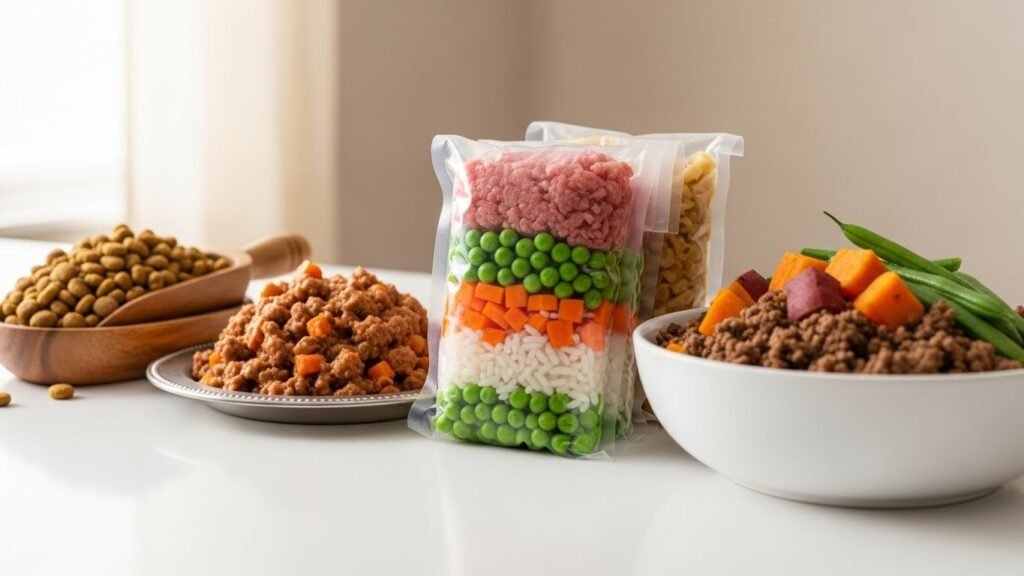
Choosing the right type of dog food is one of the most important decisions for your dog’s long-term health. With options such as dry kibble, wet food, fresh meals, and homemade diets, many dog owners feel unsure about which format truly fits their dog’s needs.
This guide explains the main types of dog food, how they differ nutritionally, and how to choose the best option based on lifestyle, health conditions, and feeding goals.
Why the Type of Dog Food Matters
The format of your dog’s food affects digestion, hydration, dental health, convenience, and overall nutrition. While ingredient quality is critical, the type of food determines how nutrients are delivered and absorbed.
Understanding these differences helps you avoid common mistakes and choose a feeding strategy that works consistently for your dog.
Dry Dog Food (Kibble)
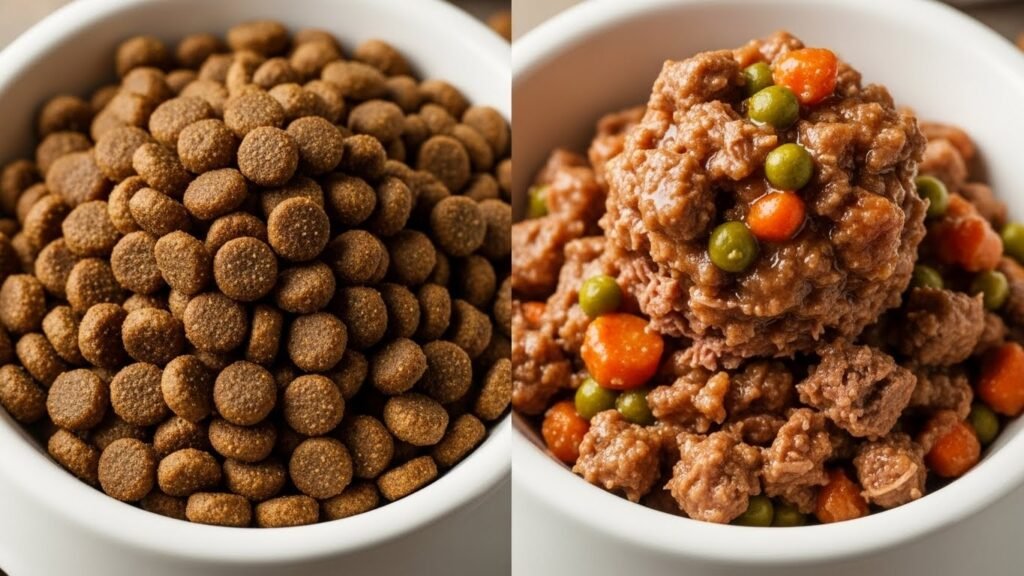
Dry dog food is the most commonly used option worldwide. It is affordable, easy to store, and convenient for daily feeding. Many high-quality kibbles provide complete and balanced nutrition when properly formulated.
Benefits of dry food include dental support through chewing, longer shelf life, and precise portion control. However, some lower-quality kibbles rely heavily on fillers and may lack moisture, which can be a concern for dogs that drink little water.
Wet Dog Food
Wet dog food contains significantly more moisture than kibble, making it more palatable and easier to chew. This can be especially helpful for picky eaters, senior dogs, or dogs with dental issues.
While wet food supports hydration and taste, it is generally more expensive and less convenient to store after opening. It also requires careful portion control to avoid excess calorie intake.
Fresh Dog Food
Fresh dog food is minimally processed and often delivered through subscription services. These meals are typically made with whole ingredients and gently cooked to preserve nutrients.
Fresh food can offer excellent digestibility and ingredient transparency, but it requires refrigeration and tends to be more expensive than traditional options. Consistency and proper portioning are essential to maintain nutritional balance.

Homemade Dog Food
Homemade diets give dog owners full control over ingredients, which can be beneficial for dogs with allergies or sensitivities. However, creating nutritionally complete meals at home requires careful planning and guidance.
Without proper formulation, homemade diets may lack essential nutrients. If you are considering this option, it is important to understand the basics of balanced canine nutrition.
Which Type of Dog Food Is Best?
There is no single best type of dog food for all dogs. The ideal choice depends on factors such as age, activity level, health conditions, budget, and feeding routine.
Some dogs thrive on high-quality kibble, while others benefit from wet or fresh food. Mixing formats can also be an option when done carefully and consistently.
Choosing the Right Type for Your Dog’s Life Stage
Puppies, adult dogs, and senior dogs have different nutritional needs. Puppies require higher energy density, adults benefit from balanced maintenance formulas, and seniors often need food that supports digestion and joint health.
Selecting the right type of food becomes easier when combined with an understanding of life-stage requirements.
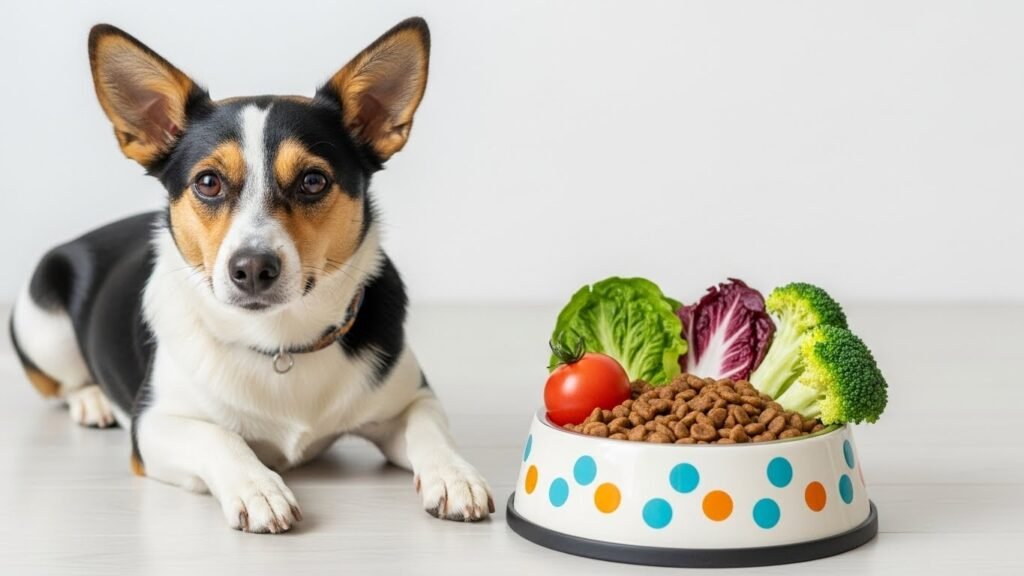
“(Aqui você insere a Image 3 – cachorro saudável com alimentação adequada)”
Common Mistakes When Choosing Dog Food Types
Many dog owners switch food types too frequently or choose based solely on trends rather than their dog’s response. Sudden changes can cause digestive upset and make it difficult to evaluate what truly works.
Consistency, gradual transitions, and attention to your dog’s behavior are more important than constantly changing formats.
Final Thoughts
Understanding the differences between dry, wet, fresh, and homemade dog food empowers you to make better feeding decisions. Instead of focusing on marketing claims, evaluate how each type fits your dog’s lifestyle, health needs, and your ability to feed consistently.
With the right knowledge, choosing the best type of dog food becomes a practical, confident decision that supports your dog’s long-term well-being.