

The topic of grain-free dog food pros and cons continues to generate confusion among dog owners. Some believe grain-free diets are healthier, more natural, or closer to what dogs evolved to eat. Others worry about nutritional balance and long-term health risks. The truth lies somewhere in between.
This in-depth guide explains what grain-free dog food really is, when it may help, when it may cause problems, and how to decide whether it’s the right choice for your dog.

What Is Grain-Free Dog Food?
Grain-free dog food is formulated without traditional grains such as wheat, corn, rice, barley, or oats. Instead, manufacturers use alternative carbohydrate sources like potatoes, sweet potatoes, lentils, peas, or chickpeas to provide energy and structure to the food.
Grain-free diets were originally developed for dogs with suspected grain allergies or sensitivities. Over time, marketing and trends helped push these products into the mainstream, even for dogs without confirmed issues.
Understanding why grain-free food exists is essential before assuming it is automatically superior.
Why Grain-Free Diets Became Popular
The rise of grain-free dog food was influenced by several factors:
- Increased awareness of food allergies
- Human diet trends spilling into pet nutrition
- Marketing focused on “natural” or “ancestral” feeding
- Misconceptions about grains as fillers
While some of these concerns are valid, others are based on oversimplifications. Not all grains are harmful, and not all grain-free foods are nutritionally superior.
Potential Benefits of Grain-Free Dog Food
Grain-free diets may offer real benefits for certain dogs, particularly those with specific dietary sensitivities.
Possible advantages include:
- Reduced exposure to certain allergens
- Improved digestion for dogs sensitive to specific grains
- Higher protein emphasis in some formulations
- Improved coat condition in select cases
It is important to note that these benefits depend heavily on overall ingredient quality, not simply the absence of grains.
Are Grains Bad for Dogs?
A common myth is that grains are unnecessary or harmful to dogs. In reality, many dogs digest grains such as rice and oats very well. Whole grains can provide:
- Dietary fiber
- Energy
- Essential nutrients
For most dogs, grains are not the problem. Poor-quality formulations and excessive fillers are more often responsible for digestive issues.
The Risks and Controversies of Grain-Free Diets
Despite their popularity, grain-free diets are not without controversy. Research has explored a possible association between certain grain-free foods and canine dilated cardiomyopathy (DCM), particularly diets heavy in legumes and pulses.
While no definitive cause has been established, this raised awareness about the importance of balanced nutrition and cautious ingredient selection.
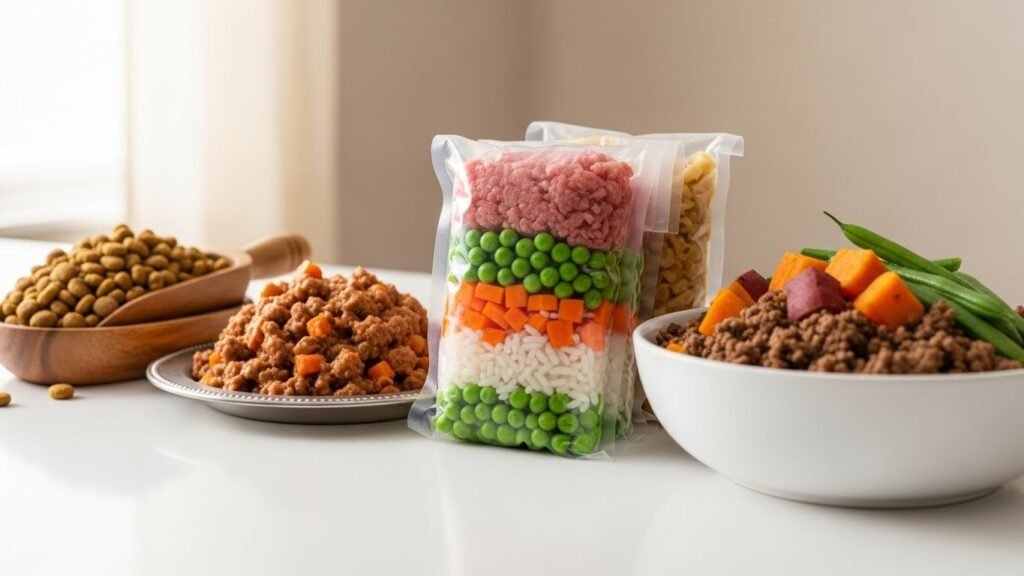
Grain-Free vs Grain-Inclusive Dog Food
Grain-inclusive dog foods typically use grains like rice or oats, which are easy to digest and nutritionally beneficial for many dogs. Grain-free diets replace these with other carbohydrate sources, which are not always nutritionally superior.
The key difference is not grains versus no grains, but:
- Ingredient quality
- Nutritional balance
- Protein sources
- Manufacturing standards
Which Dogs May Benefit from Grain-Free Food?
Grain-free diets may be appropriate for:
- Dogs with diagnosed grain allergies
- Dogs with chronic digestive sensitivities
- Dogs under veterinary supervision for dietary trials
However, switching without professional guidance is not recommended.
How to Choose a Safe Grain-Free Dog Food
If you decide to try grain-free food, choose brands that:
- Clearly name animal protein sources
- Avoid excessive reliance on legumes
- Provide complete and balanced nutrition
- Offer transparent labeling
Gradual transition is essential to avoid digestive upset.
Monitoring Your Dog After Switching Diets
After introducing grain-free food, observe your dog closely. Signs to monitor include:
- Energy levels
- Stool quality
- Coat condition
- Appetite consistency
Any negative changes should prompt reevaluation and possible veterinary consultation.

Healthy Result After a Balanced Grain-Free Meal
When chosen correctly and fed appropriately, grain-free diets can support a healthy lifestyle for certain dogs. The key is not following trends, but making informed decisions based on your dog’s individual needs.
A balanced diet should always prioritize quality ingredients, consistency, and long-term health outcomes over marketing claims.
Final Thoughts
Understanding grain-free dog food pros and cons allows you to make informed decisions rather than relying on assumptions. Grain-free diets are not inherently better or worse—they are simply another option that may or may not suit your dog.
The best dog food is one that supports digestion, energy, and overall health while fitting your dog’s lifestyle and nutritional requirements.
Practical Tips for Avoiding Harmful Ingredients
When choosing dog food, take a few extra minutes to read the full ingredient list rather than relying on front-label claims. Ingredients are listed by weight, so the first five items provide the clearest picture of overall quality.
Keeping a short list of ingredients to avoid on your phone can help you make safer choices quickly, especially when comparing unfamiliar brands. Over time, this habit significantly reduces the risk of feeding low-quality or harmful ingredients.