

What Grain Free Dog Food Really Means
Grain free dog food has become one of the most discussed topics in modern canine nutrition. Many dog owners encounter the term on packaging or advertisements but are unsure what it truly means and whether it is the right choice for their dog.
At its core, grain free dog food is formulated without common cereal grains such as wheat, corn, rice, or barley. Instead, these formulas rely on alternative carbohydrate sources, including legumes, potatoes, or other vegetables. The goal is often to address perceived sensitivities or align with specific dietary philosophies.
Understanding what grain free dog food actually contains—and what it does not—is essential before deciding if it fits your dog’s nutritional needs.
Why Grain Free Dog Food Became Popular
The rise of grain free dog food is closely tied to broader trends in human nutrition. As grain-free and gluten-free diets gained popularity among people, similar concepts quickly entered the pet food market.
Marketing has played a significant role in this shift. Grain free diets are often promoted as more “natural” or closer to what dogs’ ancestors ate. While these messages resonate with many owners, popularity alone does not guarantee nutritional suitability for every dog.
In some cases, grain free food became popular as a response to food allergies or digestive sensitivities. However, separating genuine nutritional need from marketing influence is critical when evaluating these products.
Common Grains Used in Dog Food
To understand grain free diets, it helps to know which grains are commonly used in traditional dog food. Ingredients such as corn, wheat, rice, and barley are widely used because they are affordable, energy-dense, and easy to process.
Not all grains are inherently harmful. Whole grains can provide carbohydrates, fiber, and certain vitamins when used appropriately. Problems often arise when grains are overused as fillers or when low-quality grain sources dominate the formula.
Recognizing the role grains play in dog food helps owners make balanced decisions rather than assuming all grain-containing foods are inferior.

Why Some Dogs May Benefit from Grain Free Diets
Certain dogs may benefit from grain free dog food under specific circumstances. Dogs with diagnosed grain allergies or sensitivities may experience digestive discomfort, itching, or skin issues when consuming foods that contain particular grains.
In these cases, removing grains from the diet can help reduce symptoms and improve overall comfort. Grain free diets may also be recommended temporarily during elimination diets supervised by a veterinarian.
However, it is important to note that true grain allergies are relatively uncommon. Many reactions attributed to grains are actually caused by protein sources or other additives, making careful evaluation essential before switching diets.
Protein Sources in Grain Free Dog Food
When grains are removed from dog food, protein sources become even more important. Grain free formulas often rely on animal-based proteins such as chicken, beef, fish, lamb, or novel proteins like duck and venison.
High-quality grain free dog food prioritizes clearly named animal proteins rather than vague or generic sources. Protein quality affects muscle maintenance, immune support, and overall energy levels. Poor-quality proteins may increase digestive stress and reduce nutrient absorption.
Because grain free diets often use alternative carbohydrates, protein balance must be carefully managed. A well-formulated grain free food uses protein to support health, not simply to replace calories lost from grains.
Grain Free vs Gluten Free: Understanding the Difference
Grain free and gluten free are often confused, but they are not the same. Grain free dog food excludes all grains, including those that do not contain gluten, such as rice. Gluten free diets, on the other hand, only eliminate gluten-containing grains like wheat and barley.
Some dogs that react poorly to wheat may tolerate other grains without issue. In these cases, a gluten free diet—not necessarily a grain free one—may be sufficient.
Understanding this distinction helps owners avoid unnecessary dietary restrictions. Choosing the right approach depends on the specific sensitivity or health concern rather than generalized trends.
Digestibility and Energy Levels
Digestibility is a major factor when evaluating grain free dog food. Some dogs digest alternative carbohydrates such as sweet potatoes or legumes more easily than traditional grains, while others may not.
Energy levels can also vary depending on formulation. Well-balanced grain free diets provide steady energy without spikes or crashes. Poorly formulated options may lead to inconsistent energy or digestive discomfort.
Monitoring stool quality, appetite, and activity levels helps determine whether a grain free diet is working well. Digestibility should always guide food selection more than labels or marketing claims.
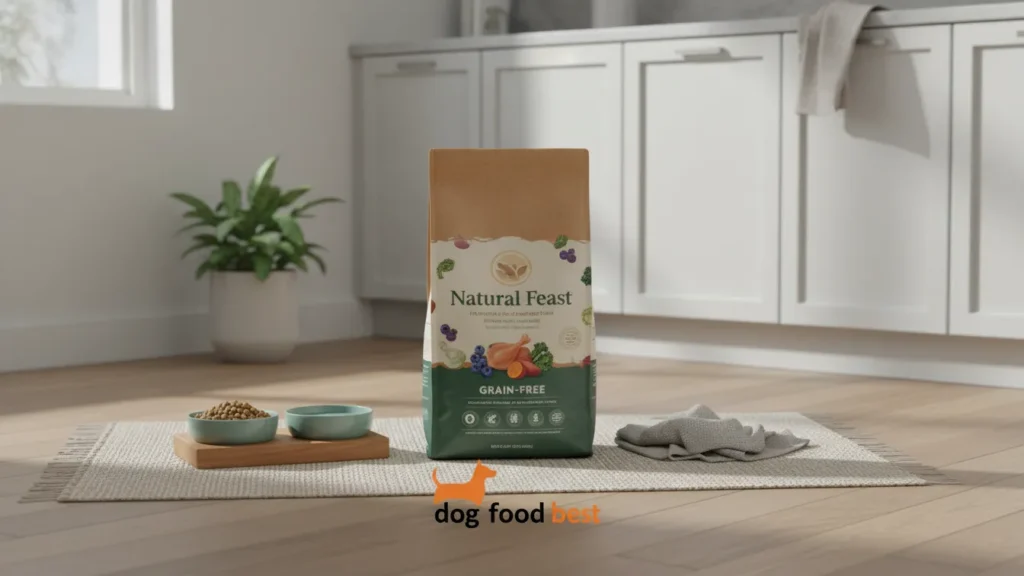
Grain Free Dog Food and Heart Health
Concerns about grain free dog food and heart health have gained attention in recent years. Some studies have explored a possible link between certain grain free formulas and canine heart conditions, particularly when diets rely heavily on specific legumes.
It is important to approach this topic with balance. Not all grain free diets pose risks, and formulation quality plays a significant role. The issue appears to be related to ingredient balance rather than the absence of grains alone.
Veterinary guidance is essential when choosing or maintaining a grain free diet, especially for dogs with existing heart conditions or specific breed predispositions.
Dry vs Wet Grain Free Options
Grain free dog food is available in both dry and wet formats, each offering distinct advantages. Dry grain free food is convenient, cost-effective, and easier to store, making it a common choice for daily feeding.
Wet grain free food, on the other hand, often provides higher moisture content and enhanced palatability. This can be beneficial for dogs that struggle with hydration or have dental sensitivities. However, wet food usually requires stricter portion control and refrigeration after opening.
Choosing between dry and wet grain free options depends on your dog’s preferences, health needs, and lifestyle. Some owners even combine both formats to balance convenience and nutrition.
👉 Dry vs Wet Dog Food: Which Is Better for Your Dog?
How to Read Labels on Grain Free Dog Food
Reading labels carefully is essential when selecting grain free dog food. While the absence of grains is clearly advertised, other ingredients deserve equal attention.
Look for clearly named animal proteins at the top of the ingredient list. Avoid formulas that replace grains with excessive fillers or rely heavily on low-quality plant proteins. Ingredient order, sourcing transparency, and the presence of natural preservatives all matter.
Understanding what replaces grains is often more important than the absence of grains itself. Label literacy helps owners avoid misleading marketing and choose foods based on nutritional substance.
👉 Dog Food Ingredients to Avoid: What Every Owner Should Know
Choosing High-Quality Grain Free Dog Food
Not all grain free dog foods are created equal. High-quality options focus on balanced nutrition rather than simply removing grains.
Look for brands that invest in research, quality control, and transparent sourcing. Foods formulated with veterinary input and clear nutritional standards tend to offer greater consistency and safety.
Selecting a reputable brand reduces the risk of nutritional imbalances and ensures that grain free feeding supports long-term health rather than short-term trends.
👉 Best Dog Food Brands: How to Choose the Right Food for Your Dog
When Grain Free Dog Food Is Not Recommended
Grain free dog food is not ideal for every dog. Dogs without grain sensitivities may thrive on balanced diets that include grains. In such cases, removing grains may offer no added benefit.
Some dogs may also react poorly to the alternative carbohydrates commonly used in grain free formulas. Digestive issues or changes in stool quality can signal that the diet is not suitable.
Consulting a veterinarian is especially important before committing to a grain free diet, particularly for puppies, senior dogs, or dogs with existing health conditions.
Transitioning to Grain Free Dog Food Safely
If you decide to transition your dog to grain free dog food, the process should be gradual. Abrupt dietary changes can lead to digestive upset, including diarrhea or appetite loss.
A slow transition over seven to ten days allows your dog’s digestive system to adapt. Start by mixing a small amount of the new food with the current food, gradually increasing the proportion.
👉 How to Switch Dog Food Safely: A Step-by-Step Transition Guide
Monitoring your dog closely during the transition helps ensure a smooth and safe change.

Final Thoughts: Is Grain Free Dog Food Right for Your Dog?
Grain free dog food can be a helpful option for certain dogs, particularly those with specific sensitivities or dietary needs. However, it is not a universal solution and should not be chosen solely based on trends.
The best approach is informed decision-making. Evaluating ingredients, monitoring your dog’s response, and seeking professional guidance help ensure that any diet supports long-term health.
By focusing on quality, balance, and your dog’s individual needs, you can determine whether grain free dog food is the right choice for your pet.