
Why Dog Weight Matters
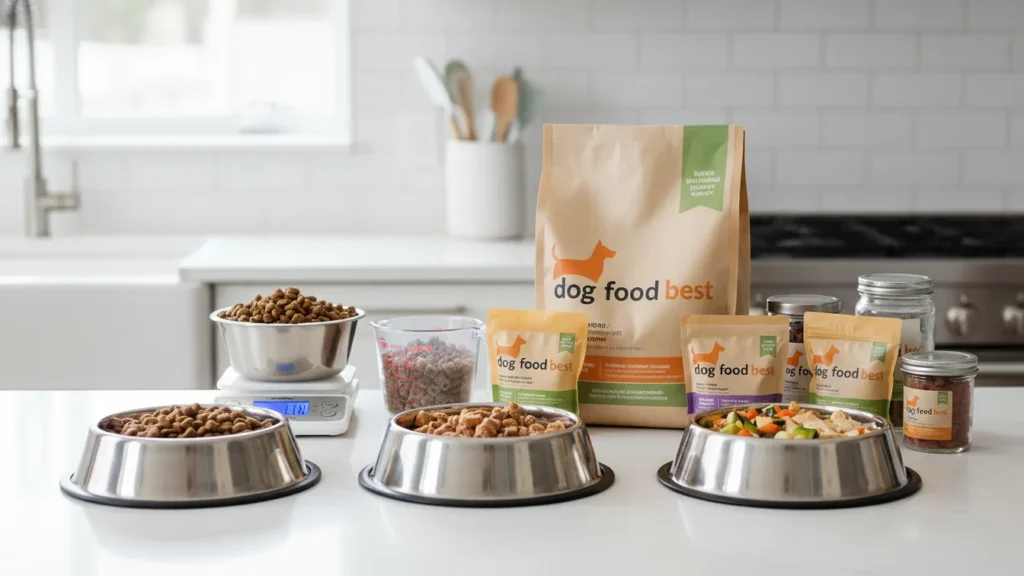
Maintaining a healthy weight is one of the most important factors in a dog’s long-term well-being. Excess weight places additional strain on joints, organs, and the cardiovascular system, increasing the risk of chronic health issues and reducing overall quality of life.
Many dog owners underestimate how quickly small daily calorie surpluses can lead to weight gain. Over time, this gradual increase can turn into obesity, especially when combined with low activity levels or inappropriate portion sizes.
Choosing the best dog food for weight loss is not about extreme restriction. Instead, it involves providing balanced nutrition that supports fat reduction while preserving muscle mass and energy levels.
How Dogs Become Overweight
Dogs become overweight for a variety of reasons, many of which are unintentional. Overfeeding, frequent treats, and table scraps can significantly increase daily calorie intake without owners realizing it.
Lack of physical activity is another major contributor. Dogs that spend most of their time indoors or have limited exercise opportunities burn fewer calories, making weight gain more likely even with standard portions.
In some cases, age, neutering, or underlying health conditions can also affect metabolism. Understanding the causes of weight gain helps owners address the root of the problem rather than relying solely on dietary changes.
Health Risks of Obesity in Dogs
Obesity in dogs is more than a cosmetic concern. Excess body fat increases the risk of joint problems, including arthritis and reduced mobility, making everyday movement uncomfortable or painful.
Overweight dogs are also more likely to develop conditions such as diabetes, respiratory difficulties, and heart strain. These health issues can shorten lifespan and significantly impact daily comfort.
By addressing weight concerns early, owners can help prevent long-term complications. Nutrition tailored for weight management plays a key role in reducing these risks and supporting a healthier future.
What Makes Dog Food Effective for Weight Loss
Effective weight loss dog food focuses on calorie control without sacrificing essential nutrients. High-quality formulas balance protein, fat, and fiber to promote fat loss while maintaining muscle strength.
Protein supports lean body mass, while controlled fat levels help reduce overall calorie intake. Fiber contributes to satiety, helping dogs feel full with fewer calories and reducing begging behavior.
The best dog food for weight loss prioritizes ingredient quality and formulation balance rather than drastic calorie cuts. This approach supports sustainable weight reduction and long-term health.
Protein and Muscle Preservation
Protein plays a critical role in weight loss diets for dogs. When calories are reduced, adequate protein intake helps preserve lean muscle mass while the body burns stored fat. Losing weight without maintaining muscle can weaken dogs and reduce mobility.
High-quality animal protein sources support satiety and help dogs feel satisfied with smaller portions. This is especially important for overweight dogs that are accustomed to larger meals.
Effective weight loss dog food focuses on protein quality rather than excessive quantity. Clearly named animal proteins support healthy metabolism and contribute to safer, more sustainable weight reduction.
Fat, Calories, and Energy Balance
Fat is the most calorie-dense nutrient in dog food, making fat control essential for weight loss. Reducing fat content helps lower overall calorie intake while still providing enough energy for daily activity.
However, fat should not be eliminated entirely. Moderate fat levels support nutrient absorption, skin health, and energy balance. The goal is controlled fat, not fat-free diets.
Successful weight management relies on achieving the right calorie balance. Foods designed for weight loss provide fewer calories per serving while maintaining nutritional completeness.
Fiber and Satiety in Weight Loss Diets
Fiber is a key component in weight loss dog food because it promotes fullness without adding significant calories. High-fiber formulas help dogs feel satisfied after meals, reducing hunger-driven behaviors such as begging or scavenging.
Soluble and insoluble fibers both contribute to digestive health and satiety. Proper fiber balance also supports regular bowel movements during calorie reduction.
Weight loss diets that incorporate fiber thoughtfully improve adherence to feeding plans and make the process easier for both dogs and owners.
Portion Control and Feeding Frequency
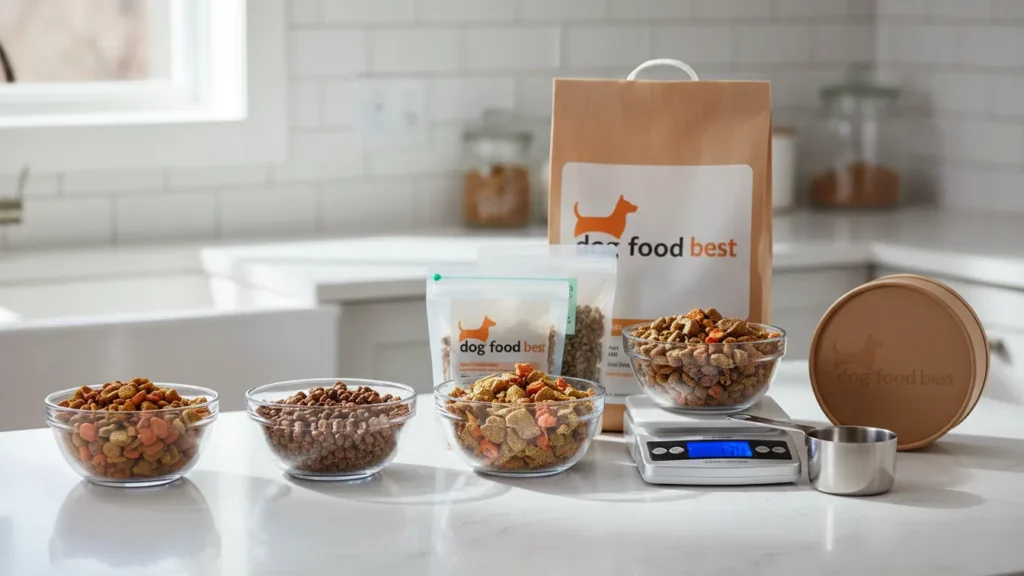
Portion control is just as important as food selection when managing a dog’s weight. Even the best dog food for weight loss can lead to weight gain if portions are not measured accurately.
Dividing daily food into two or three smaller meals may help regulate hunger and stabilize energy levels. Consistent feeding times also reduce anxiety around meals.
Monitoring portion sizes, adjusting based on progress, and avoiding excessive treats are essential practices for long-term weight management success.
Dry vs Wet Dog Food for Weight Management
When managing a dog’s weight, choosing between dry and wet food can influence results. Dry dog food for weight loss is often more calorie-dense per gram but allows precise portion control and easy measurement.
Wet dog food typically contains more moisture, which can help dogs feel fuller with fewer calories. This may benefit dogs that struggle with hunger during weight loss programs. However, wet food often requires careful storage and stricter portion monitoring.
Some owners choose a mixed approach, combining dry and wet food to balance convenience and satiety.
👉 Dry vs Wet Dog Food: Which Is Better for Your Dog?
Reading Labels on Weight Loss Dog Food
Understanding labels is essential when selecting dog food for weight loss. Marketing terms such as “light” or “diet” do not always guarantee effective calorie control or balanced nutrition.
Focus on the ingredient list and guaranteed analysis. Look for clearly named proteins, controlled fat levels, and adequate fiber content. Avoid foods that rely heavily on fillers or artificial additives to reduce calories.
Label literacy allows owners to compare products objectively and choose foods that truly support healthy weight reduction.
👉 Dog Food Ingredients to Avoid: What Every Owner Should Know
Choosing the Best Dog Food Brands for Weight Loss
Brand quality matters when selecting weight loss dog food. Reputable brands invest in formulation research, ingredient sourcing, and quality control to ensure nutritional completeness even with reduced calories.
Foods developed with veterinary input and backed by feeding trials tend to provide more consistent results. Transparency in labeling and clear nutritional goals are strong indicators of trustworthy brands.
Choosing a well-established brand helps reduce the risk of nutrient deficiencies during weight loss programs.
👉 Best Dog Food Brands: How to Choose the Right Food for Your Dog
When Weight Loss Dog Food Is Not Enough
In some cases, switching food alone may not be sufficient for weight loss. Dogs with limited mobility, hormonal imbalances, or underlying medical conditions may require additional interventions.
Increased activity, structured exercise plans, and veterinary evaluation can play critical roles. Weight management should always consider the dog’s overall health rather than focusing exclusively on food.
Professional guidance ensures that weight loss efforts remain safe and effective, especially for dogs with special needs.
Transitioning to Weight Loss Dog Food Safely
Transitioning to weight loss dog food should always be gradual. Sudden dietary changes can lead to digestive upset, which may discourage continued progress.
A slow transition over seven to ten days allows the digestive system to adapt. Mixing increasing amounts of the new food with the old food helps minimize discomfort.
👉 How to Switch Dog Food Safely: A Step-by-Step Transition Guide
Monitoring your dog’s response during the transition helps ensure long-term success.

Final Thoughts: Supporting a Healthy Weight Long Term
Achieving a healthy weight is a long-term commitment rather than a short-term goal. The best dog food for weight loss supports gradual fat reduction while maintaining energy, muscle mass, and overall well-being.
Consistent feeding practices, portion control, and regular activity work together to create sustainable results. Weight loss becomes most effective when approached as part of a complete lifestyle change.
By making informed nutritional choices and monitoring progress over time, owners can help their dogs enjoy healthier, more active lives.