

Why the Dry vs Wet Debate Matters
Choosing between dry dog food and wet dog food is one of the most common decisions dog owners face. Both options are widely available, nutritionally complete when well formulated, and suitable for many dogs. However, they differ significantly in texture, moisture content, convenience, and how dogs respond to them.
The dry vs wet dog food debate matters because feeding choices can influence digestion, hydration, dental health, and long-term eating habits. What works well for one dog may not be ideal for another, depending on age, lifestyle, and health needs.
Understanding the strengths and limitations of each option helps owners move beyond preferences and make decisions based on practical benefits and real nutritional impact.
What Is Dry Dog Food?
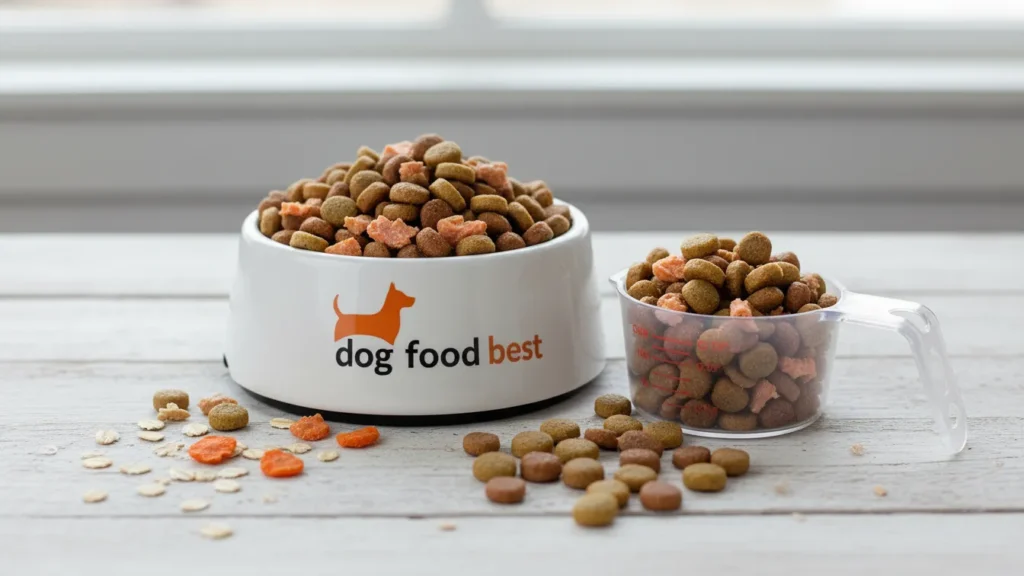
Dry dog food, commonly known as kibble, is produced through an extrusion process that removes moisture and creates shelf-stable pieces. Its low moisture content allows for long storage times and easy portion control.
Kibble formulas typically contain a balance of protein, carbohydrates, fats, vitamins, and minerals. Because dry food is calorie-dense, small portions can deliver complete nutrition, making it a convenient choice for daily feeding.
Dry dog food is widely used due to its affordability, ease of storage, and compatibility with automatic feeders. However, formulation quality varies greatly between brands, making ingredient selection especially important.
What Is Wet Dog Food?
Wet dog food is typically sold in cans, trays, or pouches and contains significantly higher moisture levels than dry food. This moisture contributes to a softer texture and stronger aroma, which many dogs find more appealing.
Because of its higher water content, wet dog food often provides fewer calories per gram. This can be beneficial for dogs that need help with hydration or portion satisfaction.
Wet food is commonly used for dogs with dental issues, reduced appetite, or specific health conditions. However, it usually has a shorter shelf life after opening and may require refrigeration.
Key Nutritional Differences
The most noticeable nutritional difference between dry and wet dog food is moisture content. Wet food may contain up to 75% water, while dry food typically contains less than 10%. This difference affects hydration and calorie density.
Dry dog food generally provides more calories per cup, while wet food offers larger serving volumes with fewer calories. Macronutrient ratios can also vary, with wet food often containing higher protein and fat percentages on a dry matter basis.
Understanding these differences allows owners to choose the option that best aligns with their dog’s nutritional needs rather than relying on format alone.
Benefits of Dry Dog Food
Dry dog food offers several practical advantages that make it a popular choice for many owners. One of the main benefits is convenience. Kibble is easy to measure, store, and serve, making daily feeding simple and consistent.
Because dry food has a long shelf life, it is ideal for households that prefer buying in larger quantities. It also works well with automatic feeders, which can help maintain regular feeding schedules.
In addition, chewing kibble may provide mild dental benefits for some dogs by helping reduce plaque buildup. While it does not replace dental care, dry food can support oral hygiene when combined with proper brushing and veterinary checkups.
Drawbacks of Dry Dog Food
Despite its convenience, dry dog food is not without limitations. Its low moisture content may be a concern for dogs that do not drink enough water, potentially contributing to dehydration if water intake is not monitored.
Some dogs also find kibble less palatable, especially picky eaters or dogs with reduced appetite. Highly processed dry foods may contain fillers or artificial additives that affect digestibility and overall quality.
Choosing high-quality dry dog food with clean ingredients and encouraging adequate water consumption helps minimize these drawbacks.
Benefits of Wet Dog Food
Wet dog food provides advantages that appeal to both dogs and owners. Its higher moisture content supports hydration, which can be beneficial for dogs with kidney concerns, urinary issues, or low water intake.
The strong aroma and soft texture of wet food often make it more appealing to dogs with picky appetites or dental sensitivities. Many dogs consume wet food more eagerly, which can help maintain consistent calorie intake.
Wet food also allows larger portion volumes with fewer calories, which may be useful for dogs that need help feeling full without overeating.

Drawbacks of Wet Dog Food
Wet dog food typically comes with higher costs compared to dry food, especially when used as the primary diet for larger dogs. Its packaging and storage requirements can also be less convenient.
Once opened, wet food must be refrigerated and consumed within a short time, increasing the risk of waste. It may also contribute more quickly to dental plaque if oral hygiene is not maintained.
Balancing these factors helps owners determine whether wet dog food fits their lifestyle and their dog’s long-term needs.
Dental Health and Chewing Considerations
Dental health is often mentioned in the dry vs wet dog food debate. Dry food may help reduce plaque buildup for some dogs due to its crunchy texture, which encourages chewing. However, this effect is usually mild and varies depending on kibble size, shape, and formulation.
Wet food does not offer the same mechanical cleaning effect, but it is often easier to eat for dogs with dental pain, missing teeth, or gum disease. In these cases, comfort and adequate nutrition matter more than texture.
Dental health should be supported through regular brushing and veterinary care, regardless of whether dry or wet food is chosen.
Cost, Storage, and Convenience
Cost and convenience play a major role in feeding decisions. Dry dog food is generally more affordable per serving and easier to store, making it a practical option for many households.
Wet dog food tends to be more expensive and requires refrigeration after opening. Its shorter shelf life can lead to waste if portions are not carefully managed.
Owners should consider budget, storage space, and daily routines when deciding which option fits best. Practical consistency often leads to better long-term feeding habits.
Which Is Better for Puppies, Adults, and Seniors?
A dog’s life stage influences whether dry or wet food is more suitable. Puppies often benefit from softer textures during teething, while adult dogs typically tolerate either option well.
Senior dogs may prefer wet food if dental issues or reduced appetite are present. However, high-quality dry food can also support seniors when hydration and chewing ability are not concerns.
Matching food format to life stage helps ensure comfort and nutritional adequacy throughout a dog’s life.
👉 Best Dog Food for Senior Dogs

Can You Mix Dry and Wet Dog Food?
Many owners choose to mix dry and wet dog food to combine the benefits of both formats. Mixing can improve palatability while maintaining portion control and convenience.
When combining foods, it is important to account for total calorie intake to avoid overfeeding. Both foods should be nutritionally complete and compatible in quality.
A mixed approach can be a flexible solution for dogs with changing preferences or specific needs, as long as portions are adjusted appropriately.
How to Transition Between Dry and Wet Food
Switching between dry and wet dog food should always be done gradually. Sudden changes can cause digestive upset, including diarrhea or loss of appetite.
A slow transition over seven to ten days allows the digestive system to adapt. Gradually increasing the proportion of the new food while reducing the old food helps maintain stability.

👉 How to Switch Dog Food Safely: A Step-by-Step Transition Guide
Monitoring your dog’s response during the transition ensures comfort and long-term success.
Final Thoughts: Choosing What Works for Your Dog
There is no universal answer in the dry vs wet dog food debate. Both formats can provide complete nutrition when formulated properly, and the best choice depends on the individual dog.
Factors such as age, health, preferences, and lifestyle should guide feeding decisions. Observing how your dog responds over time is often more valuable than following trends.
By focusing on quality, balance, and consistency, owners can choose the option that best supports their dog’s health and happiness.