

Large Breeds Have Unique Nutritional Needs
Large breed dogs have nutritional needs that differ significantly from those of small and medium-sized dogs. Their larger body mass, heavier skeletal structure, and slower growth patterns require carefully balanced nutrition to support healthy development and long-term wellbeing. Feeding mistakes that may seem minor can have serious consequences for large dogs, particularly when it comes to bone development, joint health, and weight management.
One of the most important factors in feeding large breeds is growth control. Rapid growth caused by excessive calories or imbalanced nutrients can place excessive stress on developing bones and joints, increasing the risk of orthopedic problems later in life. Even in adulthood, large dogs are more susceptible to joint strain due to their size and weight, making proper nutrition a lifelong priority.
Large dogs also tend to have slower metabolisms compared to smaller breeds, which means they do not require calorie-dense food in the same way. Overfeeding is a common issue and can quickly lead to obesity, compounding joint stress and reducing mobility. Additionally, large breeds often have longer lifespans than expected when properly cared for, making long-term nutritional consistency especially important.
This guide is designed to help large dog owners understand what makes their dogs nutritionally unique. By focusing on physiology rather than trends, owners can make informed decisions that support strength, mobility, and quality of life throughout every stage of a large dog’s life.

What Defines a Large Dog Nutritionally
From a nutritional standpoint, large dogs are defined not only by their weight but by how their bodies manage growth, energy, and physical stress. Large breeds typically experience longer growth periods, meaning their bones and joints remain vulnerable for extended periods compared to smaller dogs. Nutrition plays a crucial role in regulating this process.
Large dogs require carefully controlled calorie intake. Excess energy can accelerate growth or promote unnecessary weight gain, both of which increase stress on joints and connective tissues. Unlike small dogs, large breeds do not benefit from highly calorie-dense diets unless activity levels are exceptionally high.
Digestive capacity is another important factor. Large dogs often eat larger meal volumes, which can increase the risk of digestive discomfort if food quality or portion size is inappropriate. Consistency in formulation and feeding routine helps support stable digestion.
Large breeds are also more prone to joint-related conditions, such as hip and elbow stress, due to their size. This makes nutrient balance more important than sheer quantity. Minerals, proteins, and fats must be present in appropriate ratios to support muscle mass without overloading skeletal structures.
Understanding what defines a large dog nutritionally allows owners to choose food based on biological needs rather than marketing labels. This foundation helps prevent avoidable health issues and supports long-term mobility and comfort.

Key Nutrients for Large Breed Health
The health of large breed dogs depends heavily on balanced nutrient intake. Protein is essential for maintaining muscle mass and supporting overall strength, but excessive protein combined with high calories can contribute to rapid growth or unnecessary weight gain. High-quality, clearly identified animal protein sources are preferable for consistency and digestibility.
Mineral balance is particularly important for large dogs. Calcium and phosphorus must be carefully regulated, especially during growth stages, to support proper bone development. Excessive or poorly balanced minerals can disrupt skeletal formation and increase the risk of joint issues later in life.
Healthy fats provide energy and support skin, coat, and cognitive health, but fat levels should be moderate to prevent excessive calorie intake. Omega fatty acids are especially valuable for large breeds, as they help manage inflammation and support joint comfort over time.
Micronutrients such as vitamins, antioxidants, and trace minerals contribute to immune resilience and cellular protection. Fiber supports digestive health, helping regulate bowel movements and nutrient absorption without adding unnecessary calories.
Understanding these key nutrients allows large dog owners to evaluate food quality beyond brand names. A well-formulated diet supports strength, joint stability, and metabolic balance, helping large dogs remain active and comfortable throughout their lives.
Dog Nutrition Basics: Essential Nutrients for a Healthy Dog
Portion Size, Growth Control, and Feeding Strategy
(≥200 palavras — válido)
Portion size management is a critical aspect of feeding large breed dogs. Because large dogs consume greater food volumes, it is easy for calorie intake to exceed actual needs, particularly when feeding is based solely on generalized feeding charts. Over time, even modest overfeeding can lead to excessive weight gain and increased stress on joints and connective tissues.
Growth control is especially important during puppy and adolescent stages, but it remains relevant throughout adulthood. Feeding strategies should aim for steady, controlled weight maintenance rather than rapid gains. Large dogs benefit from food formulations that provide balanced nutrition without excessive calories.
Meal frequency also plays a role. Dividing daily portions into two or more meals can support digestion and reduce the risk of discomfort associated with large meal volumes. Consistent feeding schedules help regulate appetite and digestive efficiency.
Monitoring body condition is more effective than relying strictly on portion guidelines. Adjustments should be made based on activity level, age, and overall health. A thoughtful feeding strategy helps large dogs maintain healthy weight, joint comfort, and mobility, supporting a longer and more active life.
Dry vs Wet Food for Large Breeds
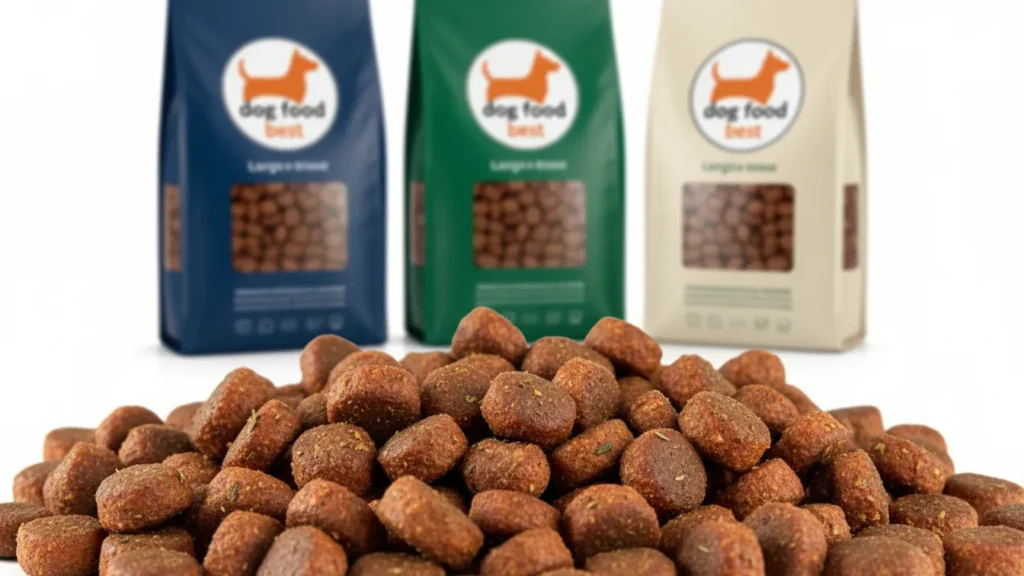
Choosing between dry and wet food for large breed dogs involves more than preference or convenience. Dry food is often favored for large dogs because it allows easier portion control, has a longer shelf life, and is typically more cost-effective when feeding higher daily volumes. Properly formulated dry food can also help support dental health by encouraging chewing, which may reduce plaque buildup over time.
Wet food offers higher moisture content, which can support hydration and palatability. This can be beneficial for large dogs that drink less water or have reduced appetite. However, wet food is generally more calorie-dense per serving and can become expensive when used as the sole food source for large breeds. Additionally, feeding large portions of wet food may increase the risk of digestive discomfort if meals are too large.
Many owners of large dogs choose a combined feeding approach. Mixing dry and wet food can improve palatability while maintaining portion control and nutritional balance. The key is ensuring that the total daily calorie intake remains appropriate and that both foods complement each other nutritionally.
Ultimately, the best choice depends on the dog’s digestive tolerance, dental health, activity level, and lifestyle. Understanding the strengths and limitations of both food types allows owners to make flexible decisions that support comfort, digestion, and long-term health.
Dry vs Wet Dog Food: Types of Dog Food Explained for Better Choices
Large Breeds with Sensitive Stomachs
Digestive sensitivity is a common concern among large breed dogs, often presenting as bloating, gas, loose stools, or inconsistent appetite. Because large dogs consume greater food volumes, digestive discomfort can be more noticeable and impactful on overall wellbeing. Poor-quality ingredients, abrupt diet changes, or excessive fat levels can overwhelm the digestive system of large breeds.
Large dogs with sensitive stomachs often benefit from diets that prioritize digestibility and consistency. Limited-ingredient formulations can help reduce exposure to potential irritants, while easily digestible protein sources support nutrient absorption without excessive digestive stress. Moderate fat levels are particularly important, as overly rich diets may increase the risk of gastrointestinal upset.
Feeding routine also plays a critical role. Large dogs are more prone to discomfort when meals are irregular or excessively large. Dividing daily intake into two or more meals helps reduce digestive load and promotes more stable digestion. Gradual transitions between foods are essential, as sudden changes can disrupt gut balance.
Addressing digestive sensitivity through appropriate nutrition improves more than comfort alone. Stable digestion supports better nutrient absorption, consistent energy levels, and healthier weight management. When digestive health is prioritized, large dogs are better equipped to maintain mobility, resilience, and quality of life.
Best Dog Food for Sensitive Stomachs: What to Choose

Grain-Free Diets for Large Breeds
Grain-free diets are frequently marketed as a solution for digestive issues or allergies in large breed dogs. While some large dogs may benefit from grain-free formulations due to specific sensitivities, these diets are not inherently superior for all dogs. Decisions regarding grain inclusion should be based on individual tolerance rather than trends.
Grains can provide valuable nutrients, including fiber and energy, when properly included and processed. Digestive problems often arise from low-quality grains or poorly balanced formulas rather than grains themselves. Many grain-free foods replace grains with alternative starches that may increase calorie density and, in some cases, reduce nutritional balance.
For large breeds, maintaining appropriate calorie intake and nutrient balance is particularly important. Excess calories contribute directly to weight gain, which increases joint stress and reduces mobility. Grain-free diets should be evaluated carefully to ensure they do not unintentionally promote overfeeding.
High-quality formulation, ingredient transparency, and digestibility should guide food selection. Grain-free options may be appropriate for dogs with confirmed sensitivities, but they should not be chosen by default. Understanding the role of grains in nutrition helps owners avoid unnecessary restrictions and supports balanced, sustainable feeding strategies for large breeds.
Grain-Free Dog Food: Benefits, Risks, and What to Know
Ingredients to Look For in Large Breed Dog Food
Evaluating ingredient quality is essential when selecting food for large breed dogs. Because large dogs consume more food overall, ingredient composition directly affects long-term health outcomes. High-quality animal protein should be clearly identified and prioritized, supporting muscle maintenance and overall strength without unnecessary fillers.
Healthy fats play an important role by providing energy and supporting skin, coat, and cognitive health. For large breeds, fat levels should be moderate to prevent excessive calorie intake. Omega fatty acids are particularly valuable, as they help manage inflammation and support joint comfort over time.
Mineral balance is critical for large dogs. Calcium and phosphorus must be carefully regulated to support bone integrity without increasing the risk of skeletal stress. Antioxidants support immune health, while functional fibers contribute to digestive regularity without adding excessive calories.
Transparency is a key indicator of quality. Clearly named ingredients and minimal use of artificial additives suggest higher formulation standards. Foods designed specifically for large breeds often account for these factors, offering appropriate nutrient density and digestibility.
Understanding which ingredients truly support large breed health allows owners to make informed decisions that promote mobility, resilience, and longevity.
Ingredients to Avoid in Large Breed Dog Food
Avoiding inappropriate ingredients is essential when feeding large breed dogs, as dietary mistakes tend to have amplified long-term consequences due to their size and joint load. Low-quality fillers such as unnamed meat by-products, excessive plant residues, and poorly processed carbohydrates can reduce digestibility and compromise nutrient absorption. When large dogs consume high volumes of food, repeated exposure to low-quality ingredients increases the risk of chronic inflammation, digestive discomfort, and weight gain.
Artificial additives are another concern. Artificial colors, flavors, and chemical preservatives provide no nutritional benefit and may contribute to digestive sensitivity or allergic reactions. Large breeds already face increased risks of joint stress and mobility decline; unnecessary additives can worsen inflammatory responses over time.
Excessive sugars, salt, and high-glycemic ingredients should also be avoided. These components promote rapid weight gain and can disrupt metabolic balance. For large dogs, additional weight places significant strain on hips, elbows, and connective tissues, accelerating joint deterioration.
Improper mineral balance is particularly harmful. Excess calcium or poorly balanced phosphorus levels can negatively affect skeletal health, especially during growth phases. Understanding which ingredients undermine nutritional balance allows owners to protect large dogs from preventable health issues and support long-term mobility and comfort.
Dog Food Ingredients to Avoid: What Every Owner Should Know

Best Dog Food Brands for Large Breeds
Selecting the best dog food brands for large breeds requires more than choosing a well-known name. While reputable brands often maintain quality control and consistent sourcing, not all formulas within a brand are designed to meet the needs of large dogs. Large breeds benefit most from formulas specifically developed to support joint health, controlled calorie intake, and balanced mineral levels.
High-quality brands typically emphasize ingredient transparency, moderate calorie density, and appropriate nutrient ratios. For large dogs, kibble size and texture also matter. Larger kibble can encourage chewing and slower eating, which may support digestion and dental health while reducing the risk of gulping.
Price alone is not a reliable indicator of quality. Some mid-range brands offer well-balanced large breed formulas without unnecessary additives or inflated costs. Evaluating the ingredient list, guaranteed analysis, and formulation intent provides better insight than marketing claims.
Comparing brands through a nutritional lens helps owners identify options aligned with their dog’s size, activity level, and health status. The goal is not to find the “most premium” brand, but the one that best supports strength, mobility, and long-term wellbeing in large breed dogs.
Best Dog Food Brands: How to Choose the Right Food
Common Feeding Mistakes with Large Breeds
Feeding mistakes are particularly costly for large breed dogs due to the physical demands placed on their joints and skeletal structure. One of the most common errors is overfeeding. Because large dogs consume greater food volumes, even modest calorie excesses can result in significant weight gain over time. Extra weight places substantial strain on hips, knees, and elbows, accelerating joint degeneration.
Another frequent mistake is relying solely on feeding charts without observing the dog’s actual body condition. Activity level, metabolism, age, and health status all influence calorie needs. Feeding charts should serve as a starting point rather than a fixed rule.
Inconsistent feeding schedules also create problems. Large dogs often experience digestive discomfort when meals are irregular or excessively large. Dividing daily intake into two or more meals helps reduce digestive stress and supports more stable energy levels.
Ignoring early signs of discomfort is another pitfall. Subtle changes in mobility, appetite, or digestion may indicate that a feeding strategy needs adjustment. Avoiding these common mistakes helps large dogs maintain healthy weight, stable digestion, and better mobility throughout their lives.

Final Feeding Advice for Large Breed Owners
Feeding large breed dogs successfully requires a thoughtful, long-term approach rather than short-term fixes or trends. Large dogs thrive on balanced nutrition that supports muscle strength, joint health, and controlled weight. Choosing food formulated specifically for large breeds helps address these priorities more effectively than generic diets.
A smart feeding strategy begins with ingredient evaluation. Clearly identified proteins, moderate fat levels, balanced minerals, and minimal artificial additives form the foundation of quality nutrition. Portion control is equally important, as maintaining an ideal body condition is one of the most effective ways to preserve joint health and mobility.
Consistency plays a critical role. Once a suitable food is selected, maintaining a stable feeding routine allows digestion and metabolism to function optimally. Owners should monitor body condition, energy levels, and movement rather than relying solely on labels or trends.
Ultimately, the best feeding decisions are those that support health quietly and consistently over time. By prioritizing balance, quality, and observation, large breed owners can help their dogs enjoy longer, healthier, and more comfortable lives.