
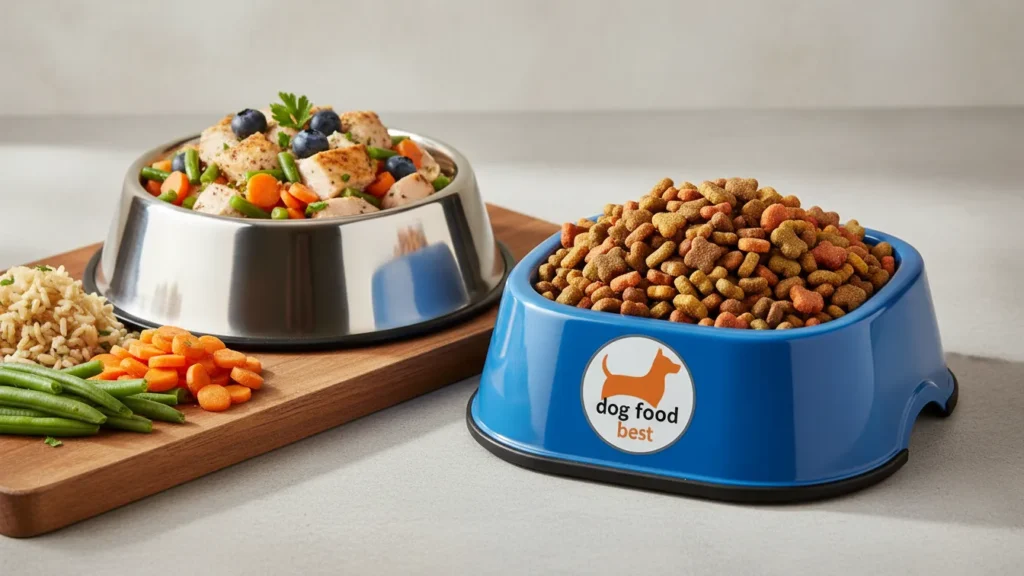
The Ongoing Debate
The debate between homemade and commercial dog food has intensified in recent years as more dog owners seek greater control over what their pets eat. Concerns about ingredient quality, food recalls, and long-term health outcomes have driven many owners to question whether commercially prepared dog food is truly the best option. At the same time, homemade diets are often viewed as more natural, transparent, and customizable, creating a strong emotional appeal.
However, this debate is rarely as simple as “good versus bad.” Both homemade and commercial dog food approaches offer real benefits, as well as meaningful limitations. Homemade diets can provide flexibility and ingredient transparency, but they also introduce risks related to nutritional imbalance and food safety if not carefully planned. Commercial dog foods offer consistency, convenience, and regulated formulation, yet quality varies widely between brands and product lines.
Much of the confusion surrounding this topic comes from misinformation and oversimplified advice. Social media trends, anecdotal experiences, and marketing claims often obscure the fundamental nutritional principles dogs require to thrive. Without a clear understanding of these principles, owners may unintentionally choose diets that feel right emotionally but fall short nutritionally.
This guide is designed to move beyond opinion and trend-driven advice. By objectively comparing homemade and commercial dog food across nutrition, safety, cost, and practicality, owners can make informed decisions based on their dog’s actual needs. The goal is not to promote one approach universally, but to clarify which option works best in different situations and why.

What Homemade Dog Food Really Means
Homemade dog food is often discussed as if it were a single, clearly defined approach, but in reality it encompasses a wide range of practices. For some owners, homemade food means carefully planned meals created with veterinary or nutritional guidance. For others, it may involve improvised recipes, table scraps, or loosely followed online formulas. This variability is one of the biggest challenges in evaluating homemade diets objectively.
At its best, homemade dog food allows complete control over ingredient selection. Owners can choose fresh proteins, adjust fat levels, and exclude ingredients their dogs may not tolerate. This flexibility can be beneficial for dogs with specific medical needs or confirmed food sensitivities. However, flexibility also increases responsibility. Without precise nutrient calculations, homemade diets can easily become unbalanced.
Dogs require specific ratios of protein, fat, carbohydrates, vitamins, and minerals. Unlike humans, dogs cannot thrive on variety alone. Deficiencies in calcium, phosphorus, essential fatty acids, or trace minerals may not show immediate symptoms but can lead to serious health issues over time. Homemade diets that lack supplementation are particularly vulnerable to these risks.
Understanding what homemade dog food truly involves means recognizing both its potential and its demands. It is not simply “cooking for your dog,” but committing to nutritional accuracy, consistency, and food safety to ensure long-term health.
Homemade Dog Food: Safe, Healthy Meals for Your Dog
What Commercial Dog Food Offers
Commercial dog food is designed to provide complete and balanced nutrition through standardized formulation. Reputable manufacturers formulate their products to meet established nutritional guidelines, ensuring dogs receive essential nutrients in appropriate proportions. This consistency is one of the greatest strengths of commercial food, particularly for owners who want reliability without constant calculation.
Another major advantage of commercial dog food is convenience. Ready-to-serve meals eliminate the time commitment associated with meal preparation, ingredient sourcing, and storage. This makes commercial food accessible for a wide range of households, especially those managing busy schedules or multiple dogs.
However, commercial dog food quality varies significantly. While some brands prioritize high-quality ingredients and transparent sourcing, others rely heavily on fillers, artificial additives, or vague ingredient labeling. Marketing claims can make it difficult for owners to distinguish genuinely well-formulated food from lower-quality alternatives.
Despite these challenges, commercial dog food remains the most practical option for the majority of dogs. When chosen carefully, it offers balanced nutrition, predictable intake, and lower risk of nutrient deficiencies. Understanding what commercial food does well — and where it falls short — allows owners to select products that genuinely support their dog’s health rather than relying on branding alone.
Best Dog Food Brands: How to Choose the Right Food

Nutritional Balance: Homemade vs Commercial
Nutritional balance is the most critical factor when comparing homemade and commercial dog food. Dogs require precise nutrient ratios to maintain healthy bones, muscles, organs, and immune function. Commercial dog foods are formulated to meet these requirements consistently, which significantly reduces the risk of long-term deficiencies when high-quality products are chosen.
Homemade diets, by contrast, place the burden of nutritional balance entirely on the owner. While it is possible to create balanced homemade meals, doing so requires accurate recipes, supplementation, and ongoing adjustments based on the dog’s age, size, and health status. Without this level of precision, even well-intentioned homemade diets may fall short nutritionally.
One of the key differences lies in consistency. Commercial foods deliver the same nutrient profile in every serving, while homemade meals may vary from batch to batch. Over time, small inconsistencies can accumulate, leading to imbalances that affect skeletal health, metabolism, or immune resilience.
This does not mean homemade diets are inherently inferior, but it does mean they demand a higher level of commitment and expertise. Comparing nutritional balance objectively helps owners understand that the “best” option is not universal. It depends on the owner’s ability to maintain consistency, accuracy, and long-term nutritional adequacy.
Dog Nutrition Basics: Essential Nutrients for a Healthy Dog
Cost and Long-Term Affordability
Cost is a significant factor when comparing homemade and commercial dog food, but it is often misunderstood. At first glance, homemade dog food may appear more affordable, especially when owners compare ingredient costs to premium commercial brands. However, long-term affordability depends on more than ingredient prices alone.
Homemade diets require ongoing investment in fresh ingredients, supplements, proper storage, and preparation time. High-quality proteins, vegetables, oils, and necessary vitamin and mineral supplements can increase monthly expenses. Additionally, food waste and preparation inefficiencies can further raise costs. When calculated accurately, well-balanced homemade diets often cost as much as—or more than—mid to high-quality commercial dog food.
Commercial dog food offers predictable pricing and convenience. Buying in bulk or choosing well-formulated mid-range brands can provide cost efficiency without sacrificing nutritional adequacy. Commercial food also eliminates preparation time, which carries an indirect cost for many households.
Long-term affordability should also consider veterinary expenses. Nutritional imbalances from poorly planned homemade diets may lead to health issues that increase medical costs over time. Conversely, consistently balanced nutrition can help prevent avoidable health problems.
Evaluating cost realistically means considering financial expense, time investment, and long-term health impact. For many owners, commercial dog food offers greater predictability, while homemade diets require careful budgeting and commitment to remain sustainable.
Safety, Hygiene, and Food Handling
Food safety is a critical yet often overlooked aspect of the homemade versus commercial dog food debate. Homemade diets require strict attention to hygiene, ingredient handling, and storage. Raw or improperly cooked ingredients can expose dogs—and humans—to harmful bacteria. Without proper food safety practices, the risk of contamination increases significantly.
Homemade food preparation also demands consistent storage conditions. Fresh ingredients spoil faster, and improper refrigeration or freezing can compromise food quality. Cross-contamination between raw meats and household surfaces poses additional risks, particularly in multi-pet or family households.
Commercial dog food is subject to manufacturing standards and quality controls designed to reduce contamination risks. While recalls can occur, reputable brands implement testing, traceability, and safety protocols that most home kitchens cannot replicate consistently. Shelf-stable products also reduce the risk of spoilage when stored correctly.
That said, commercial food safety still depends on proper handling by owners. Improper storage after opening, exposure to moisture, or ignoring expiration dates can compromise safety.
When evaluating safety, owners must consider their ability to maintain strict hygiene practices over time. Homemade diets demand ongoing diligence, while commercial foods offer built-in safety mechanisms that reduce daily risk. Understanding these differences helps owners make choices aligned with their lifestyle and risk tolerance.
Dogs with Special Needs: When Each Option Makes Sense
Dogs with special nutritional or medical needs often drive interest in homemade diets. Conditions such as food allergies, gastrointestinal disorders, or chronic illnesses may require customized nutrition that commercial formulas cannot always provide. In these cases, homemade diets—when properly formulated—can offer targeted control over ingredients and nutrient profiles.
However, customization increases responsibility. Special-needs dogs are often less tolerant of nutritional errors, making precision essential. Homemade diets for these dogs should be developed with professional guidance to ensure safety and adequacy. Without proper formulation, attempts to “fix” problems through homemade food can worsen underlying conditions.
Commercial dog food has also evolved significantly in this area. Many brands now offer specialized formulas for sensitive stomachs, joint support, weight management, and medical conditions. These products provide balanced nutrition while reducing the need for daily preparation and supplementation.
Choosing between homemade and commercial food for special-needs dogs depends on the severity of the condition, the owner’s ability to maintain consistency, and access to professional guidance. Neither option is universally superior. The most effective approach prioritizes nutritional accuracy, monitoring, and adaptability rather than ideology.
Best Dog Food for Sensitive Stomachs: What to Choose

Puppies, Adults, and Senior Dogs: Different Considerations
Age plays a critical role in determining whether homemade or commercial dog food is appropriate. Puppies, adult dogs, and senior dogs have distinct nutritional requirements that must be met consistently to support healthy development and aging.
Puppies are particularly vulnerable to nutritional imbalances. Incorrect calcium, phosphorus, or calorie levels can interfere with bone development and growth. Commercial puppy foods are formulated to meet these precise needs, making them a safer option for most owners. Homemade puppy diets require expert formulation and close monitoring to avoid long-term damage.
Adult dogs offer more flexibility. Healthy adults may tolerate well-formulated homemade diets if nutritional balance is maintained. However, consistency remains essential to prevent gradual deficiencies.
Senior dogs often benefit from diets that support joint health, weight management, and digestive comfort. Commercial senior formulas provide predictable nutrient profiles, while homemade diets may be useful for addressing specific medical needs under professional supervision.
Understanding age-specific requirements helps owners choose the most appropriate feeding strategy at each life stage. The best option adapts over time rather than remaining fixed.
Ingredient Transparency and Label Reading
Ingredient transparency is one of the most significant differences between homemade and commercial dog food. With homemade diets, owners know exactly what goes into each meal. Ingredients are visible, measurable, and adjustable, which creates a strong sense of control and trust. This transparency can be especially appealing to owners concerned about additives, fillers, or vague ingredient labeling in commercial products.
Commercial dog food, however, requires owners to rely on labels and manufacturer disclosures. While reputable brands provide clear ingredient lists and nutritional analysis, many products still use ambiguous terms such as “meat meal” or “animal by-products.” Understanding how to read labels becomes essential for evaluating quality. Ingredient order, protein sources, and the presence of artificial additives all provide important clues about formulation standards.
It is important to note that transparency does not automatically equal nutritional superiority. Homemade diets may be transparent but nutritionally incomplete if not properly formulated. Conversely, commercial foods may appear opaque but deliver consistent, balanced nutrition when produced responsibly.
Developing label-reading skills empowers owners to bridge this gap. By understanding ingredient terminology and nutritional intent, owners can evaluate commercial foods more confidently and recognize when homemade approaches require supplementation or professional guidance. Transparency, when combined with nutritional accuracy, becomes a powerful tool for making informed feeding decisions.

Consistency, Convenience, and Lifestyle Fit
derestimated factors in canine nutrition. Dogs thrive on predictable routines, and stable nutrient intake supports digestive health, metabolic balance, and long-term wellbeing. Commercial dog food excels in this area because it delivers the same formulation in every serving, reducing the risk of unintended nutritional variation over time. This consistency is especially important for maintaining stable digestion and preventing gradual deficiencies or excesses.
Homemade diets, while flexible and customizable, demand a high level of discipline to maintain consistency. Ingredient availability, preparation methods, and portion measurement can vary from batch to batch. Even small deviations in mineral or vitamin content may accumulate over time, potentially leading to imbalances that are difficult to detect early. Maintaining consistency with homemade food requires careful planning, supplementation, and strict adherence to recipes.
Convenience also plays a decisive role. Commercial food integrates easily into most lifestyles, requiring minimal preparation and storage effort. This makes it a practical choice for busy households or owners managing multiple dogs. Homemade diets, by contrast, require time for shopping, preparation, cooking, storage, and cleanup—an ongoing commitment that may become difficult to sustain long-term.
When choosing between homemade and commercial dog food, lifestyle compatibility should not be underestimated. The most nutritionally sound approach is one that can be executed consistently. A diet that cannot be maintained reliably loses effectiveness, regardless of theoretical benefits.
Which Option Is Best for Most Dogs?
For the majority of dogs, high-quality commercial dog food remains the most practical and nutritionally reliable option. When carefully selected, commercial diets provide balanced nutrition, predictable nutrient delivery, and reduced risk of long-term deficiencies. This reliability is particularly valuable for owners who want to ensure their dogs receive adequate nutrition without constant calculation or preparation.
Homemade diets can be beneficial in specific situations, such as for dogs with complex medical conditions, confirmed food allergies, or unique dietary requirements. In these cases, homemade food may allow precise ingredient control and customization. However, this approach demands a high level of commitment, nutritional knowledge, and ongoing monitoring. Without professional guidance, even well-intentioned homemade diets may fall short nutritionally.
The determining factor is often not the dog alone, but the combination of the dog’s needs and the owner’s capacity. Owners with limited time, resources, or access to nutritional expertise may struggle to maintain homemade diets consistently. In such cases, commercial food offers a safer and more sustainable solution.
Rather than framing the decision as a competition between homemade and commercial food, it is more productive to assess which option can reliably meet nutritional needs over time. For most households, a well-chosen commercial diet provides the best balance of safety, convenience, and nutritional adequacy.
Final Recommendation: Making the Right Choice
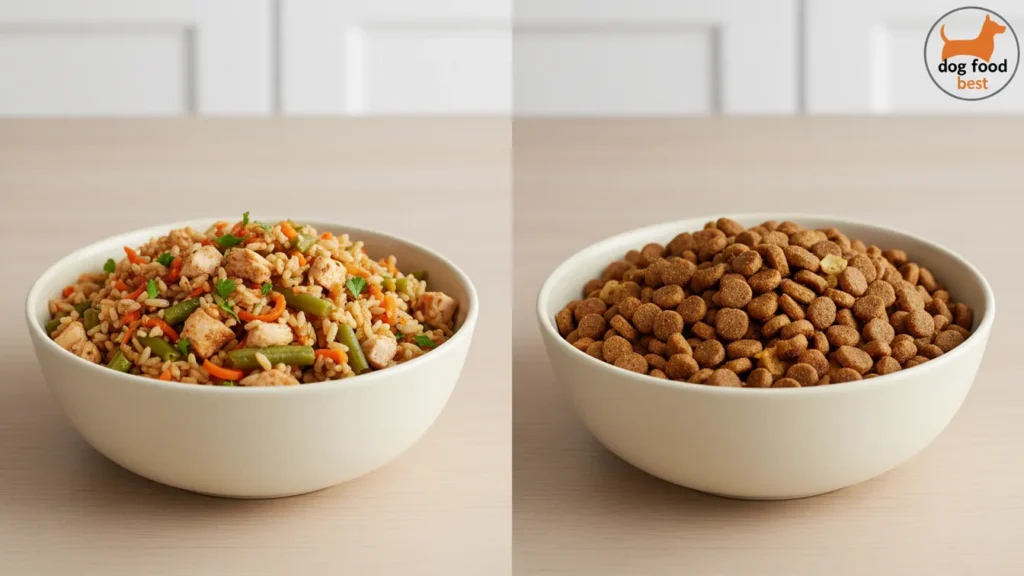
Choosing between homemade and commercial dog food should be guided by practicality, nutritional accuracy, and long-term sustainability rather than trends or emotional appeal. There is no universally superior option that applies to every dog or household. The most effective feeding strategy is one that consistently supports health, comfort, and vitality over time.
Commercial dog food offers a reliable foundation for most dogs. When owners invest time in selecting reputable brands and appropriate formulas, commercial food delivers balanced nutrition with minimal daily effort. This consistency helps prevent nutritional imbalances and supports long-term health. Homemade diets, while appealing, demand precision, discipline, and continuous education to avoid unintended consequences.
Owners should prioritize observation and adjustment over experimentation. Monitoring body condition, digestion, energy levels, and mobility provides meaningful insight into whether a feeding approach is working. Adjustments should be made based on these indicators rather than anecdotal advice or marketing claims.
Ultimately, the best choice is one that aligns with both the dog’s needs and the owner’s ability to execute it correctly. Sustainable feeding decisions help ensure dogs receive the nutrition they need to live longer, healthier, and more comfortable lives.