Why Food Safety Matters for Dogs
Most dog owners love sharing food with their pets. It feels natural—your dog is part of the family, and those hopeful eyes make even the strictest human melt. But when it comes to feeding, affection must be paired with safety. Dogs do not process foods the same way humans do, and everyday kitchen items can cause serious harm. In fact, many of the “normal” foods people snack on without thinking can trigger vomiting, diarrhea, tremors, severe allergic reactions, pancreatitis, organ damage, or dangerous drops in blood sugar in dogs.
Food safety matters because accidents are common. A grape falls on the floor. A child shares candy. Someone offers a bite of seasoned meat. Or a dog raids the trash with ninja-level confidence. The problem is that symptoms don’t always appear immediately, and some toxins can cause delayed damage that becomes harder to treat if you wait too long.
This guide was created to answer one of the most practical questions any dog owner can ask: what foods are safe for dogs, and what foods are off-limits? You’ll find clear categories, simple rules, and quick decision tools you can use in real life—at the dinner table, in the kitchen, or while choosing treats. Whether you feed kibble, homemade meals, or a mix of both, knowing what belongs in your dog’s bowl is one of the easiest ways to protect their health and extend their quality of life.
How Dogs Digest Food Differently from Humans
Dogs are omnivores, but their digestive systems are not built for modern human food. Humans routinely eat salty, sugary, spiced, oily, and highly processed meals. Dogs, on the other hand, do best with simple ingredients and consistent routines. A dog’s digestive tract is shorter than a human’s, meaning food moves through faster, leaving less time to break down complex or heavily seasoned ingredients. That’s one reason why rich table scraps can quickly cause stomach upset.
Dogs also metabolize certain compounds differently. Some substances that barely affect humans can be toxic to dogs because their bodies cannot process them safely. A key example is xylitol, a sugar substitute found in many sugar-free products; it can cause a rapid insulin spike and dangerous low blood sugar in dogs. Chocolate contains methylxanthines (like theobromine), which dogs break down much more slowly than humans. Even seemingly “healthy” foods for people—like grapes—can cause severe problems for dogs for reasons that are still not fully understood.
Another issue is sensitivity to fat and seasonings. High-fat foods can trigger pancreatitis. Salt, spices, onion/garlic powders, sauces, and marinades often irritate the stomach and can be harmful. Finally, dogs’ chewing habits increase risks: bones, skewers, and hard chunks can cause choking or intestinal blockage.
Understanding these differences explains why “just a little bite” isn’t always safe. It also helps you make smarter decisions when offering treats or adding homemade toppers to your dog’s meals.
Dog Nutrition Basics: Essential Nutrients for a Healthy Dog
Foods That Are Safe for Dogs (Overview)
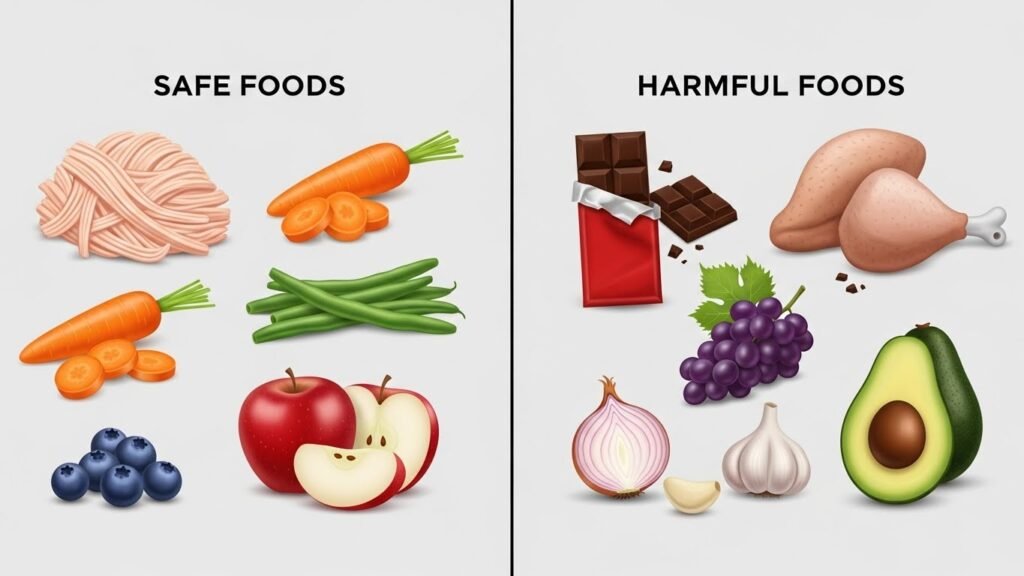
The good news is that many whole foods can be safe and even beneficial for dogs—when prepared correctly and served in moderation. Safe foods should be plain, fully cooked when needed, and free from salt, oils, spices, and sauces. Think “simple and boring” from a human perspective—because boring is exactly what keeps dogs healthy.
In general, dogs can safely eat a range of lean proteins such as cooked chicken, turkey, beef, salmon, and eggs. These help support muscles and provide essential amino acids. Certain vegetables are also commonly safe, including carrots, green beans, pumpkin, zucchini, and sweet potatoes. These are often used in dog diets because they provide fiber, support digestion, and add vitamins without excessive calories.
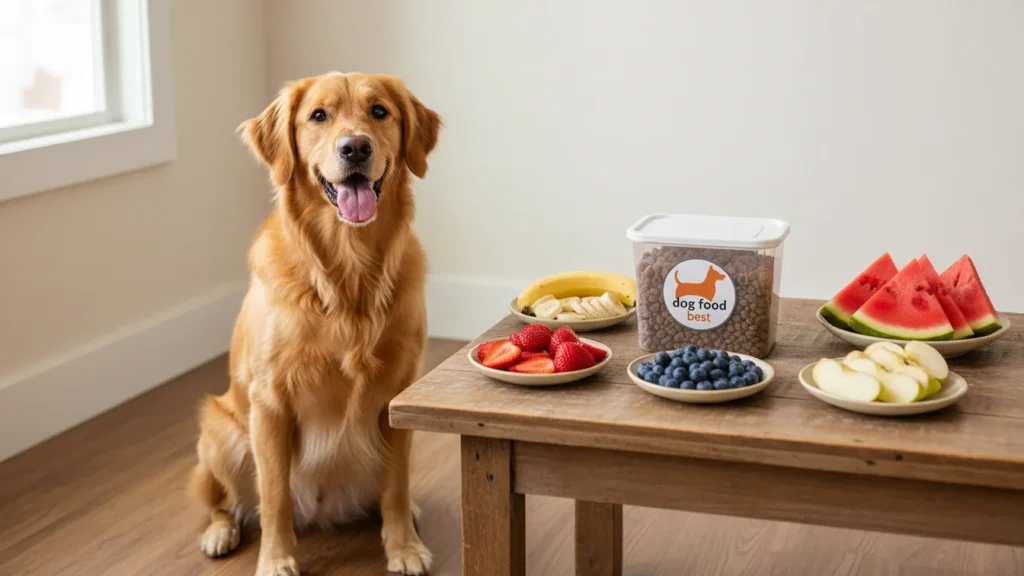
Some fruits can work as small treats, especially apples (without seeds), blueberries, bananas, and watermelon (seedless). Fruits should be offered in small portions due to natural sugar content. Cooked plain rice or oats can also be helpful for dogs with mild digestive upset, serving as gentle carbohydrates.
Preparation is everything. Remove bones, seeds, pits, and tough peels. Cook meats thoroughly. Steam or boil vegetables to make them easier to digest. Start with small amounts and observe your dog’s stool and comfort. Safe foods are best used as occasional treats or meal toppers, not as a full replacement for balanced dog food unless a veterinarian has guided the diet plan.
Foods That Are Dangerous or Toxic to Dogs
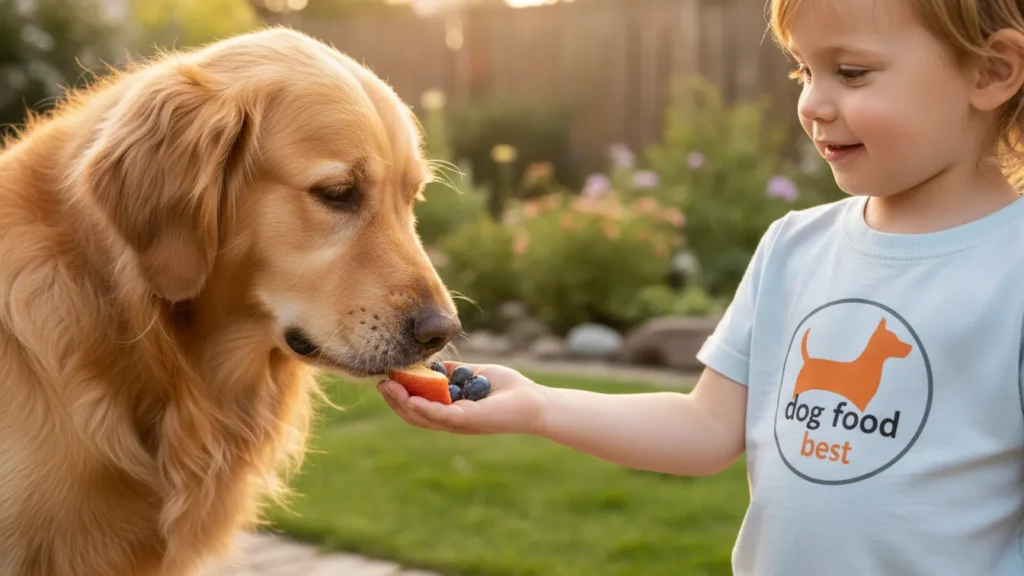
Just as there are safe foods, there are also foods that should never be offered to dogs—because the risks are real, and the consequences can be severe. Some toxins act quickly, while others cause delayed damage that becomes harder to treat if you wait. That’s why “I’ll see how he looks tomorrow” can be a dangerous strategy.
Common toxic foods include chocolate, grapes and raisins, onions and garlic (including powders), xylitol (sugar-free gum, candies, peanut butter, baked goods), alcohol, and caffeine. Many nuts should also be avoided, especially macadamia nuts, which can cause weakness and neurological signs. Cooked bones are not toxic in the chemical sense, but they are dangerous: they can splinter, cause choking, puncture the digestive tract, or create blockages. High-fat human foods (like bacon, fried foods, greasy leftovers) may trigger pancreatitis—a painful and potentially serious condition.
What makes this tricky is that symptoms vary. A dog may vomit, have diarrhea, become lethargic, tremble, drool excessively, or show signs of abdominal pain. In more serious cases, you may see seizures, collapse, or trouble breathing. If you suspect your dog ate something toxic, the safest move is to contact a veterinarian or an emergency animal clinic immediately. Acting fast can prevent complications and reduce treatment costs.
This guide will break down safe vs unsafe foods in clear categories so you can make confident choices at home.
Fruits Dogs Can Eat (and Those to Avoid)
Fruits can be a healthy and refreshing addition to a dog’s diet when offered in moderation and prepared correctly. Many fruits are rich in vitamins, antioxidants, and fiber, which can support digestion, immune function, and overall well-being. However, not all fruits are safe for dogs, and some can be extremely dangerous even in small quantities.
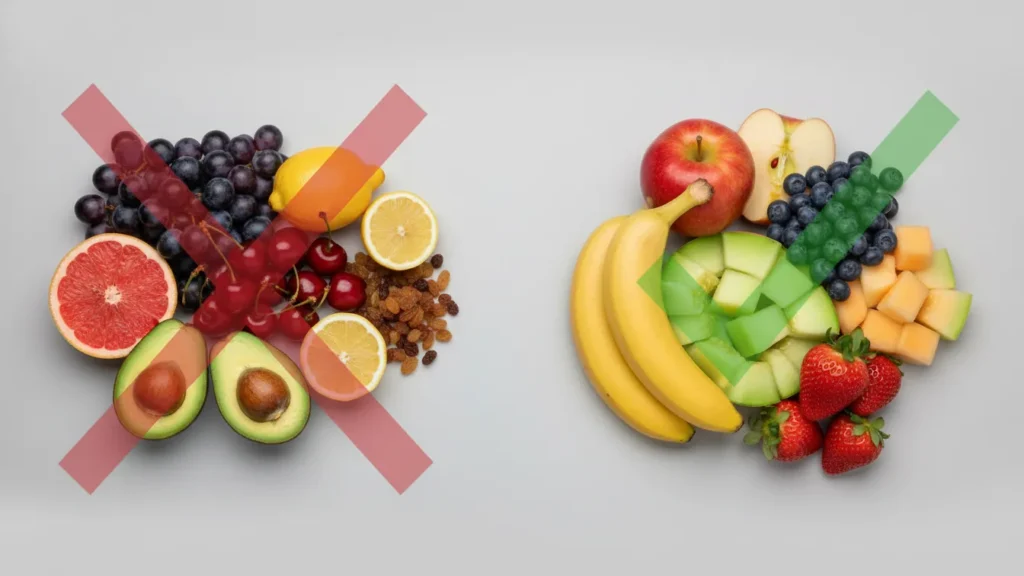
Safe fruits for dogs include apples (without seeds), bananas, blueberries, strawberries, watermelon (seedless), and pears. These fruits provide natural sweetness along with beneficial nutrients such as vitamin C, vitamin A, and dietary fiber. Blueberries, in particular, are known for their antioxidant properties and are often recommended as low-calorie treats. Apples can help clean teeth and freshen breath, while bananas offer potassium and quick energy when given occasionally.
Preparation is essential. Fruit should always be washed thoroughly, seeds and pits must be removed, and portions should be kept small to avoid digestive upset. Too much fruit can lead to diarrhea due to high sugar and fiber content, especially in smaller dogs.
On the other hand, some fruits are toxic to dogs and should never be offered. Grapes and raisins are especially dangerous and can cause sudden kidney failure, even in tiny amounts. Cherries pose risks due to cyanide-containing pits, and citrus fruits can irritate the digestive system if consumed in excess. Avocados contain persin, which may cause vomiting and diarrhea in dogs.
When introducing fruit into a dog’s diet, start slowly and monitor for any adverse reactions. Fruits should always be treated as occasional snacks—not meal replacements—and never exceed a small percentage of the dog’s daily calorie intake.
Vegetables Dogs Can Safely Eat
Vegetables are often an excellent low-calorie, nutrient-dense option for dogs, especially those needing weight management or extra fiber. Many vegetables provide vitamins, minerals, and antioxidants that support joint health, digestion, and immune function. When chosen carefully and prepared properly, vegetables can be a valuable complement to a dog’s regular diet.
Safe vegetables for dogs include carrots, green beans, cucumbers, broccoli (in small amounts), zucchini, spinach, sweet potatoes, and pumpkin. Carrots are particularly popular because they are crunchy, low in calories, and rich in beta-carotene, which supports eye health. Green beans and cucumbers are ideal for dogs on calorie-restricted diets, as they offer volume and crunch without excessive calories.
Cooking methods matter. While some vegetables can be served raw, others—like sweet potatoes and pumpkin—should always be cooked to improve digestibility. Avoid adding salt, butter, oil, garlic, or seasoning of any kind, as these additions can be harmful. Steaming or boiling vegetables plain is usually the safest preparation method.
Certain vegetables should be avoided or offered with caution. Onions, garlic, leeks, and chives are toxic to dogs and can damage red blood cells, potentially leading to anemia. Corn on the cob poses a choking and intestinal blockage risk, even though corn kernels themselves are generally safe. Mushrooms should be avoided unless their safety is absolutely certain, as many wild varieties are poisonous.
Vegetables should be introduced gradually and served in bite-sized pieces to prevent choking. When used appropriately, they can enhance a dog’s diet while providing mental stimulation and nutritional benefits.
Proteins Dogs Can and Cannot Eat
Protein is a cornerstone of a dog’s diet, supporting muscle development, immune health, and overall energy levels. While dogs primarily obtain protein from commercial dog food, many owners supplement with human-grade protein sources. Doing so safely requires understanding which proteins are beneficial and which can pose risks.
Safe protein options for dogs include cooked chicken, turkey, beef, lamb, pork (fully cooked), and fish such as salmon or whitefish. Eggs are also an excellent protein source when fully cooked, providing essential amino acids and vitamins. Plain, unseasoned meats help support lean muscle mass and are often well-tolerated by most dogs.
Preparation is critical. All meats should be cooked thoroughly to eliminate bacteria like Salmonella or E. coli. Bones—especially cooked bones—should never be given, as they can splinter and cause choking or internal injuries. Fatty cuts of meat should be limited, as excessive fat intake can lead to pancreatitis.
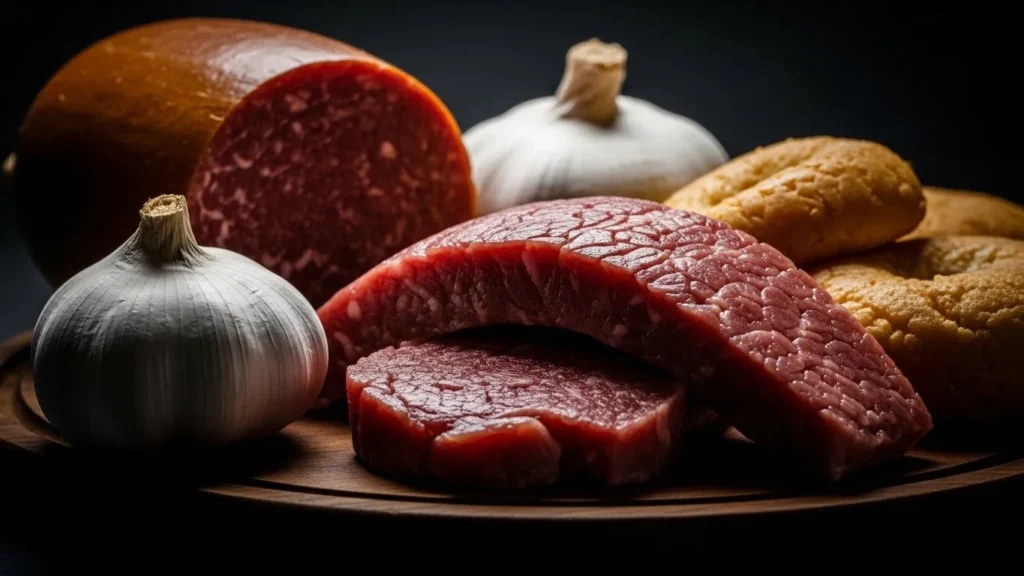
Certain protein sources should be avoided entirely. Raw meats carry bacterial risks, while processed meats like sausages, bacon, and deli meats are high in salt and preservatives that can harm dogs. Fish with high mercury levels should also be avoided, and shellfish may cause allergic reactions in some dogs.
Plant-based proteins such as beans or lentils can be safe in small amounts but should not replace animal protein without veterinary guidance. Ultimately, protein should complement—not overwhelm—a dog’s balanced diet, ensuring nutritional needs are met without unnecessary risks.
Common Human Foods: Safe, Risky, and Toxic
Many everyday human foods fall into a gray area when it comes to canine safety. Some are perfectly safe in moderation, others require caution, and a few are outright toxic. Understanding these distinctions helps prevent accidental harm and promotes informed feeding decisions.
Safe common foods include plain rice, oatmeal, plain yogurt (without artificial sweeteners), and peanut butter that does not contain xylitol. These foods are often used to soothe digestive issues or as high-value treats during training. Cheese can also be safe in small amounts, though lactose-sensitive dogs may experience digestive discomfort.
Foods that require caution include bread, pasta, and dairy products. While not toxic, they offer limited nutritional value and can contribute to weight gain if overfed. Salty snacks, sugary foods, and fried items should be avoided due to their negative impact on long-term health.
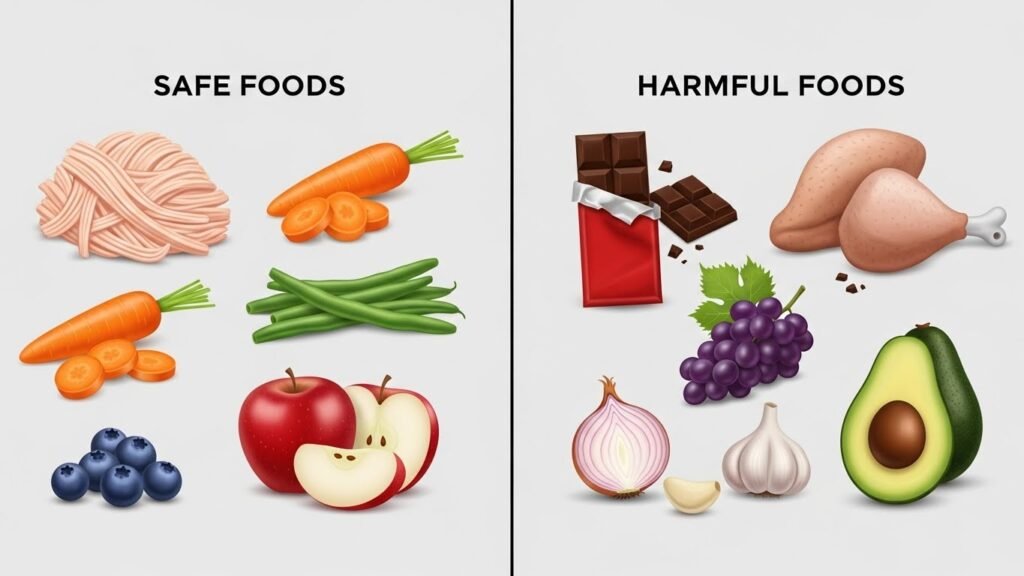
Toxic foods must never be given to dogs. Chocolate, caffeine, alcohol, xylitol, macadamia nuts, onions, garlic, and grapes are among the most dangerous. These substances can cause symptoms ranging from vomiting and diarrhea to seizures, organ failure, or even death.
Accidental ingestion happens quickly, especially in households where dogs have access to counters or trash. Keeping unsafe foods out of reach and educating everyone in the household is essential. When in doubt, it’s always safer to assume a food is unsafe and consult a veterinarian before offering it to your dog.
Portion Control and Moderation in a Dog’s Diet
Even when foods are considered safe for dogs, portion control and moderation are essential to maintaining long-term health. Dogs have different caloric needs based on size, age, activity level, and metabolism. A portion that seems small to a human can represent a significant calorie load for a dog, especially smaller breeds. Overfeeding—even with healthy foods—can quickly lead to weight gain, digestive problems, and nutritional imbalances.
Treats and human foods should never replace a dog’s primary diet, which is formulated to meet specific nutritional requirements. As a general guideline, treats and extras should make up no more than 10% of a dog’s daily caloric intake. Exceeding this limit may reduce the intake of essential nutrients such as protein, vitamins, and minerals found in complete dog food.
Portion size also affects digestion. Large or frequent portions of fruits, vegetables, or proteins can overwhelm a dog’s digestive system, leading to diarrhea, gas, or vomiting. Dogs do not always self-regulate their food intake, so relying on begging behavior as a signal of hunger can be misleading. Structured feeding routines help prevent overconsumption and promote stable energy levels.
Moderation is especially important for senior dogs and dogs with health conditions such as diabetes, pancreatitis, or joint problems. In these cases, even safe foods may need to be limited or avoided entirely. Understanding portion control helps dog owners make smarter feeding decisions and reduces the risk of long-term health complications.

Signs of Food Sensitivity and Allergic Reactions in Dogs
Food sensitivity and allergic reactions are more common in dogs than many owners realize. While some reactions are immediate, others develop gradually, making them difficult to identify. Recognizing the signs early can prevent discomfort and more serious health issues.
Common symptoms of food sensitivity include chronic itching, ear infections, excessive licking of paws, digestive upset, diarrhea, gas, and vomiting. In some cases, dogs may experience changes in coat quality, hair loss, or persistent skin inflammation. Unlike food poisoning, which often causes sudden symptoms, food sensitivities may worsen slowly over time.
Allergic reactions involve the immune system and are often triggered by specific proteins such as beef, chicken, dairy, or eggs. Sensitivities, on the other hand, are digestive responses and may occur due to difficulty processing certain ingredients. Both conditions can significantly affect a dog’s quality of life if left untreated.
Introducing new foods one at a time makes it easier to identify problem ingredients. Keeping a simple food diary can help track reactions and patterns. When symptoms persist, veterinary guidance is essential. Elimination diets and controlled reintroduction are often used to pinpoint triggers safely.
Understanding food sensitivities reinforces why even “safe” foods should be introduced cautiously. Paying attention to subtle changes in behavior or digestion allows owners to adjust diets proactively and maintain their dog’s comfort and health.
What to Do If Your Dog Eats Something Unsafe
Accidental ingestion of unsafe foods is one of the most stressful situations dog owners face. Knowing how to respond quickly and calmly can make a critical difference in outcomes. The first step is identifying what was eaten, how much, and when. This information is essential for determining the level of risk.
In mild cases, dogs may show minor digestive symptoms such as drooling, nausea, or soft stools. However, many toxic foods cause serious reactions, including tremors, seizures, lethargy, collapse, or difficulty breathing. These signs require immediate veterinary attention.
Owners should never attempt home remedies or induce vomiting unless explicitly instructed by a veterinarian or poison control professional. Some substances can cause more damage when vomited. Keeping emergency contact numbers readily available—including a veterinarian and a pet poison helpline—can save valuable time.
Prevention is the most effective strategy. Storing food securely, using covered trash bins, and educating family members about dangerous foods reduces risk significantly. Dogs are opportunistic eaters, and even well-trained pets can ingest harmful items when unattended.
Understanding emergency response procedures empowers dog owners to act decisively rather than panic. Quick action, paired with professional guidance, greatly improves the chances of a positive outcome.
Building a Safe and Balanced Feeding Routine for Your Dog
Creating a safe and balanced feeding routine is one of the most impactful steps a dog owner can take to support long-term health. Consistency in meals helps regulate digestion, energy levels, and behavior. Dogs thrive on predictable routines, which reduce anxiety and improve overall well-being.
A balanced routine begins with selecting high-quality dog food appropriate for the dog’s life stage, size, and activity level. Human foods, when used, should serve as occasional supplements rather than staples. Establishing fixed meal times prevents overeating and helps owners monitor appetite changes, which can be early indicators of health issues.
Incorporating safe treats strategically supports training and mental stimulation without compromising nutrition. Measuring portions, limiting table scraps, and rotating safe foods thoughtfully helps maintain variety while avoiding excess. Fresh water should always be available.
Regular evaluation is also part of a healthy routine. As dogs age, their nutritional needs change. Periodic reviews of diet, weight, and energy levels—ideally with veterinary input—ensure the feeding plan remains appropriate.
A structured feeding routine is not about restriction, but about informed choices. It creates a foundation for longevity, comfort, and quality of life, reinforcing the bond between dogs and their owners through responsible care.