

Small Dogs Have Unique Needs
Small dogs may be physically compact, but their nutritional needs are often more demanding than those of larger breeds. Due to faster metabolisms, smaller stomach capacity, and higher energy expenditure per pound of body weight, small dogs require diets that deliver more nutrition in smaller portions. Feeding mistakes that might be tolerated by larger dogs can quickly lead to health problems in small breeds, including weight gain, hypoglycemia, digestive upset, and nutrient deficiencies.
Another key factor is longevity. Small dogs tend to live longer than large breeds, which means nutritional choices compound over time. Poor-quality food may not show immediate consequences, but long-term deficiencies or excesses can significantly affect dental health, joint comfort, organ function, and overall vitality. Because small dogs eat less food overall, ingredient quality becomes critical — every bite must work harder nutritionally.
Small breeds also present unique behavioral and physical traits that influence feeding. Many are picky eaters, prone to dental issues, and sensitive to abrupt dietary changes. Food texture, aroma, and digestibility matter more than marketing claims. Understanding these unique needs is essential before comparing brands, formulas, or feeding styles.
This guide is designed to help small dog owners make informed, confident decisions. Rather than focusing on trends, it explains what small dogs actually need nutritionally, how to read labels correctly, and how to choose food that supports long-term health.

What Defines a Small Dog Nutritionally
From a nutritional perspective, small dogs are defined less by weight alone and more by how their bodies process energy and nutrients. Small breeds typically burn calories at a faster rate, meaning they require more energy per pound than larger dogs. This does not mean feeding larger portions, but rather feeding more nutrient-dense food that delivers adequate energy without excess volume.
Small dogs also have smaller digestive tracts, which can make them more sensitive to low-quality ingredients, fillers, and artificial additives. Poor digestibility may lead to bloating, loose stools, or inconsistent appetite. Because of this, small dogs often benefit from simpler ingredient lists and highly digestible protein sources.
Dental health plays an important role as well. Many small breeds are prone to dental crowding and tartar buildup, which can affect chewing ability and food preference. Kibble size, texture, and moisture content can influence not only comfort but also long-term oral health.
Finally, small dogs are more vulnerable to portion miscalculations. Even small overfeeding errors can result in rapid weight gain, increasing the risk of joint stress and metabolic issues. Understanding what truly defines a small dog nutritionally helps owners choose food based on physiology rather than appearance or marketing labels.
Key Nutrients for Small Dog Health
Because small dogs consume less food volume, nutrient concentration and balance are far more critical than in larger breeds. Every meal must deliver sufficient essential nutrients without excess calories or fillers. High-quality animal protein is the foundation of a healthy small dog diet, supporting lean muscle maintenance, immune function, and metabolic stability. Proteins should come from clearly identified animal sources, as vague or low-quality proteins often lack consistency and bioavailability.
Healthy fats are equally important for small dogs. Due to their faster metabolism, small breeds rely on fats as a primary energy source. Proper fat levels help meet energy demands without increasing portion size. Omega-3 and omega-6 fatty acids also contribute to skin health, coat quality, brain function, and inflammation control, which becomes increasingly important as small dogs age.
Micronutrients play a disproportionate role in small dog health. Vitamins and minerals must be present in precise ratios because even minor deficiencies or excesses can have noticeable effects. Calcium and phosphorus support bone and dental health, while antioxidants help protect cells from oxidative stress over a long lifespan. Fiber, when included in appropriate amounts, supports digestive regularity without reducing nutrient absorption.
Understanding foundational canine nutrition principles allows small dog owners to evaluate food quality beyond marketing claims. A well-formulated diet ensures that every bite supports long-term health, vitality, and resilience.
Dog Nutrition Basics: Essential Nutrients for a Healthy Dog
Portion Size and Calorie Density
Portion size management is one of the most important — and most commonly misunderstood — aspects of feeding small dogs. Because small breeds require fewer grams of food per meal, portions can appear deceptively small. This often leads owners to unintentionally overfeed, assuming the dog is still hungry when, in reality, caloric needs have already been met.
Calorie density is therefore more relevant than the physical volume of food. Small dog food should be formulated to deliver adequate energy in compact portions, preventing the need for large servings that could strain digestion or promote weight gain. Foods that are too calorie-dense, however, can cause rapid weight gain if portions are not carefully controlled.
Accurate measurement is essential. Using a scale or standardized measuring cup helps prevent gradual calorie creep over time. Portion needs should also be adjusted based on age, activity level, metabolism, and health status. Neutered dogs or less active individuals often require fewer calories, even within the same breed.
Feeding frequency plays an additional role. Many small dogs benefit from two or three smaller meals per day rather than a single large portion. This approach helps maintain stable energy levels, supports digestion, and may reduce the risk of blood sugar fluctuations in sensitive individuals.
Proper portion control supports healthy weight, joint comfort, and metabolic balance, making it a cornerstone of long-term small dog nutrition.
Dry vs Wet Food for Small Dogs
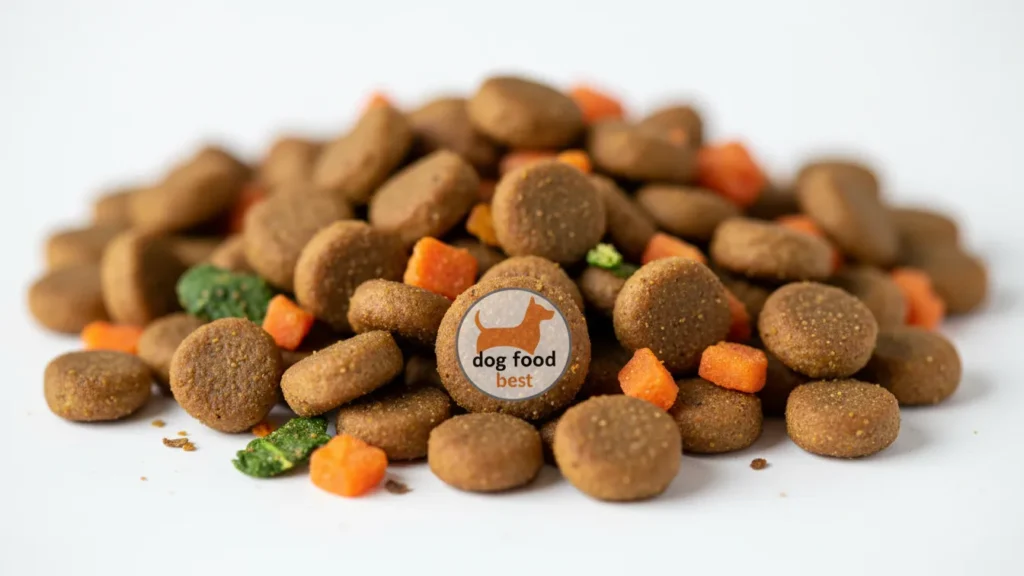
Choosing between dry and wet food is an important decision for small dog owners, as each option offers distinct advantages and limitations. Dry food is often preferred for its convenience, longer shelf life, and ease of portion control. For small dogs, kibble size and texture are especially relevant, as properly sized kibble can encourage chewing and help reduce plaque buildup, supporting dental health over time.
Wet food, on the other hand, provides higher moisture content, which can support hydration—particularly beneficial for small dogs that may not drink enough water. Its stronger aroma and softer texture can also appeal to picky eaters or dogs with dental sensitivity. However, wet food tends to be more expensive per serving and may require stricter portion management to avoid excessive calorie intake.
Many small dog owners find that a mixed feeding approach works well. Combining dry and wet food can balance convenience, palatability, and hydration while maintaining nutritional completeness. The key is ensuring that the combined diet remains balanced and that total calorie intake stays within appropriate limits.
Ultimately, the best choice depends on the individual dog’s preferences, dental health, digestive tolerance, and lifestyle. Understanding the strengths and limitations of both food types allows owners to make flexible, informed feeding decisions rather than relying on a single rigid approach.
Dry vs Wet Dog Food: Types of Dog Food Explained for Better Choices

Small Dogs with Sensitive Stomachs
Digestive sensitivity is relatively common among small dogs and often becomes apparent through symptoms such as loose stools, gas, vomiting, inconsistent appetite, or frequent stomach discomfort. Because small dogs have faster metabolisms and smaller digestive tracts, they are generally less tolerant of low-quality ingredients, abrupt dietary changes, or excessive fat levels. What might cause mild discomfort in a larger dog can quickly become a persistent issue in a small breed.
Dogs with sensitive stomachs often benefit from diets that prioritize simplicity and digestibility. Limited-ingredient formulas reduce exposure to potential irritants, making it easier to identify and avoid problematic components. Easily digestible protein sources support nutrient absorption without overloading the digestive system, while moderate fat levels help prevent gastrointestinal stress.
Consistency is just as important as formulation. Frequent food changes, table scraps, and irregular feeding schedules can disrupt digestion and worsen symptoms. Gradual transitions between foods and consistent mealtimes allow the gut to adapt more effectively and reduce digestive upset.
Managing sensitive stomachs through appropriate nutrition improves more than digestion alone. When gastrointestinal comfort is restored, small dogs are better able to maintain healthy weight, stable energy levels, and overall wellbeing. Addressing digestive sensitivity early helps prevent chronic issues and supports long-term health.
Best Dog Food for Sensitive Stomachs: What to Choose
Grain-Free Diets for Small Dogs
Grain-free diets have gained popularity among small dog owners, often driven by the belief that grains are inherently harmful or difficult to digest. While some small dogs may benefit from grain-free formulas due to specific intolerances or allergies, these diets are not automatically healthier or more appropriate for every dog. The decision to eliminate grains should be based on individual needs rather than trends.
Properly included grains can provide valuable nutrients, including fiber, energy, and essential micronutrients. Digestive issues typically arise from low-quality grains or poorly balanced formulations, not from grains themselves. Many grain-free foods replace grains with alternative starches such as legumes or tubers, which may increase calorie density and, in some cases, reduce nutritional balance.
For small dogs, overall formulation quality is far more important than whether a diet contains grains. Ingredient sourcing, digestibility, and nutrient balance should guide food selection. Grain-free options may be appropriate for dogs with confirmed sensitivities, but they should be chosen carefully to avoid unintended nutritional imbalances.
Making informed decisions about grain-free diets helps prevent unnecessary dietary restrictions. By focusing on quality and suitability rather than labels, small dog owners can ensure their dogs receive balanced nutrition that supports long-term health and vitality.
Grain-Free Dog Food: Benefits, Risks, and What to Know
Ingredients to Look For in Small Dog Food
Understanding ingredient lists is essential for selecting high-quality food for small dogs. Because small dogs consume less food volume, every ingredient has a greater nutritional impact. High-quality animal protein should be clearly identified and featured prominently, as it provides essential amino acids needed for muscle maintenance, immune support, and metabolic health.
Healthy fat sources are equally important for small dogs. Fats supply concentrated energy that meets higher calorie needs without increasing portion size. Omega fatty acids support skin and coat health, cognitive function, and inflammation control, contributing to long-term wellbeing. Functional carbohydrates and fibers, when included appropriately, support digestive health without diluting nutrient density.
Micronutrients also deserve attention. Vitamins, minerals, and antioxidants help protect small dogs from oxidative stress and support immune resilience over long lifespans. Ingredient transparency is a key indicator of food quality—clearly named components and minimal use of artificial additives suggest higher formulation standards.
Foods designed specifically for small dogs often account for these needs by offering appropriate nutrient density, digestibility, and portion control. Learning which ingredients truly support small dog health empowers owners to move beyond marketing claims and choose food that promotes vitality, comfort, and longevity.

Ingredients to Avoid in Small Dog Food
Avoiding the wrong ingredients is just as important as choosing the right ones, especially for small dogs. Because small breeds eat smaller portions, low-quality ingredients can have a disproportionately negative impact on their health over time. Fillers with little nutritional value, such as unnamed meat by-products or excessive plant-based residues, can reduce digestibility and contribute to long-term deficiencies.
Artificial additives are another major concern. Artificial colors, flavors, and chemical preservatives offer no nutritional benefit and may increase the risk of digestive upset or allergic reactions in sensitive small dogs. Since small breeds are often more prone to food sensitivities, repeated exposure to unnecessary additives can gradually worsen tolerance and overall wellbeing.
Excessive sugar, salt, and high-glycemic carbohydrates should also be avoided. These ingredients can promote weight gain, dental issues, and blood sugar fluctuations. Small dogs are particularly vulnerable to obesity because even minor calorie excesses can quickly lead to noticeable weight gain, increasing stress on joints and internal organs.
Poorly balanced fat content is another risk factor. Extremely high-fat foods may overwhelm digestion, while very low-fat diets may fail to meet energy needs. Understanding which ingredients undermine nutritional balance allows owners to make informed choices that protect small dogs from preventable health issues and support long-term vitality.
Dog Food Ingredients to Avoid: What Every Owner Should Know
Best Dog Food Brands for Small Dogs
Choosing the best dog food brands for small dogs requires looking beyond brand reputation or price alone. While well-known brands often offer consistency and quality control, not every formula within a brand is suitable for small breeds. Small dogs benefit from formulas designed specifically for their size, metabolism, and feeding behavior.
High-quality brands typically focus on clear ingredient sourcing, balanced nutrient profiles, and appropriate calorie density. For small dogs, kibble size and texture also matter, as overly large or hard kibble may discourage proper chewing or lead to dental discomfort. Brands that invest in breed-size–specific formulations often address these details more effectively.
However, premium pricing does not automatically guarantee better nutrition. Some mid-range brands offer well-balanced formulas that meet small dog needs without unnecessary additives or inflated costs. Evaluating labels, nutrient balance, and formulation intent is more reliable than relying on marketing claims.
Comparing brands through a nutritional lens helps owners identify options that align with their dog’s specific needs. The goal is not to choose the most expensive brand, but the most appropriate one. A thoughtful approach to brand selection ensures that small dogs receive consistent, high-quality nutrition that supports long-term health and comfort.
Best Dog Food Brands: How to Choose the Right Food
Feeding Mistakes with Small Dogs
Feeding mistakes are common among small dog owners, often because portion sizes appear deceptively small or because owners misinterpret begging behavior as hunger. Overfeeding is one of the most frequent errors and can quickly lead to obesity, even when excess calories seem minimal. Small dogs gain weight rapidly, and excess body fat increases the risk of joint strain, heart stress, and metabolic issues.
Another common mistake is excessive treat use. Small dogs often receive treats frequently due to their size and perceived cuteness, but treats can account for a significant portion of daily calories. Without careful tracking, treat overuse can undermine even the best diet.
Frequent food changes also create problems. Small dogs tend to have sensitive digestive systems, and constantly switching foods without proper transition can lead to gastrointestinal upset. Consistency is key for maintaining digestive stability.
Ignoring individual needs is another pitfall. Age, activity level, health status, and metabolism all influence nutritional requirements. Relying solely on feeding charts without observation can result in underfeeding or overfeeding. Avoiding these common mistakes helps small dogs maintain healthy weight, stable digestion, and consistent energy levels throughout their lives.

Final Buying Advice for Small Dog Owners
(Choosing the best dog food for small dogs is not about following trends or selecting the most popular brand. It is about understanding the unique nutritional needs of small breeds and applying that knowledge consistently. Small dogs require nutrient-dense food, precise portion control, and high-quality ingredients because every meal has a greater impact on their health.
A thoughtful buying approach starts with reading ingredient lists carefully and prioritizing clearly identified proteins, balanced fats, and minimal artificial additives. Selecting food formulated specifically for small dogs helps address calorie density, kibble size, and digestibility more effectively. Owners should also be prepared to adjust portions over time as dogs age or activity levels change.
Consistency matters as much as choice. Once a suitable food is selected, maintaining a stable feeding routine supports digestion and long-term wellbeing. Monitoring body condition, energy levels, and overall comfort provides better guidance than labels alone.
Ultimately, the best dog food for small dogs is one that supports health quietly and reliably over time. Making informed decisions today helps small dogs enjoy longer, healthier, and more comfortable lives.