

Why Dog Nutrition Matters
Nutrition is one of the most powerful factors influencing a dog’s health, longevity, and quality of life. What dogs eat affects everything from energy levels and immune strength to digestion, skin condition, and cognitive function. Yet, many owners underestimate how deeply nutrition shapes long-term well-being.
Understanding dog nutrition basics helps owners move beyond marketing claims and feeding habits based on convenience alone. A well-balanced diet supports healthy growth in puppies, maintains vitality in adult dogs, and helps senior dogs age more comfortably.
Proper nutrition is not about perfection or following trends. It is about consistency, balance, and informed choices that support a dog’s biological needs throughout every life stage.
How Dogs Process Food: A Simple Overview
Dogs digest food differently from humans. Their digestive systems are designed to process animal-based nutrients efficiently while still being adaptable to a range of ingredients. Digestion begins in the mouth but primarily occurs in the stomach and small intestine, where nutrients are broken down and absorbed.
Enzymes play a critical role in this process, allowing proteins, fats, and carbohydrates to be converted into usable energy and building blocks for the body. When food quality is poor or ingredients are difficult to digest, this process becomes less efficient.
Understanding how dogs process food highlights why ingredient quality and formulation matter more than brand names or labels alone.
Macronutrients vs Micronutrients Explained
Dog nutrition is built around two main categories of nutrients: macronutrients and micronutrients. Macronutrients include proteins, fats, and carbohydrates, which provide energy and structural support for the body. These nutrients are required in larger quantities and form the foundation of every complete diet.
Micronutrients include vitamins and minerals. Although needed in smaller amounts, they are essential for immune function, bone health, metabolism, and cellular repair. Deficiencies or imbalances can lead to serious health issues over time.
A healthy dog diet depends on the correct balance between macronutrients and micronutrients rather than focusing on one single component.
Protein: The Foundation of Canine Nutrition
Protein is the most important macronutrient in a dog’s diet. It provides amino acids that support muscle development, tissue repair, enzyme production, and immune function. Without adequate protein, dogs cannot maintain strength or overall health.
High-quality animal protein sources are especially valuable because they contain complete amino acid profiles that dogs can easily absorb. The source of protein matters just as much as the amount, as poorly processed or low-quality proteins may strain digestion.
Choosing nutritionally sound protein sources lays the groundwork for all other aspects of canine nutrition and sets the tone for a healthy diet.

Animal Protein vs Plant Protein
Not all proteins offer the same nutritional value for dogs. Animal proteins—such as chicken, beef, lamb, fish, and turkey—contain complete amino acid profiles that closely match a dog’s biological needs. These proteins are generally more digestible and provide essential building blocks for muscle maintenance and repair.
Plant proteins, including legumes and grains, can contribute amino acids but often lack one or more essentials or have lower bioavailability. When used excessively or as primary protein sources, they may not support optimal muscle development or overall health.
A balanced diet may include plant-based ingredients, but high-quality animal protein should remain the primary protein source in most canine diets.
Fats: Energy, Skin, and Brain Health
Fats are a concentrated source of energy and play a vital role in a dog’s health. They support cell structure, hormone production, and the absorption of fat-soluble vitamins. Adequate fat intake also contributes to healthy skin, a shiny coat, and proper brain function.
Essential fatty acids, particularly omega-3 and omega-6, help regulate inflammation and support cognitive health. These fats are commonly found in fish oil, flaxseed, and certain animal fats.
While fats are important, balance is key. Excessive fat intake can contribute to weight gain and digestive discomfort, making formulation quality and portion control especially important.
Carbohydrates: Necessary or Optional?
Carbohydrates remain one of the most debated components of dog nutrition. Unlike humans, dogs do not have a strict biological requirement for carbohydrates, but they can efficiently digest and utilize them when properly processed.
Carbohydrates provide a readily available energy source and contribute to fiber intake, which supports digestion. Whole grains and certain vegetables can be beneficial, while excessive refined carbohydrates or fillers may offer little nutritional value.
The quality and purpose of carbohydrates matter more than their presence alone. Balanced inclusion supports energy needs without compromising overall nutrition.
👉Grain Free Dog Food: Benefits, Risks, and What to Know
Vitamins: Supporting Immunity and Metabolism
Vitamins are essential micronutrients that support immune defense, metabolic processes, vision, and cellular repair. Dogs require a variety of vitamins, including A, D, E, K, and several B-complex vitamins.
A properly formulated commercial dog food typically provides these vitamins in balanced amounts. Both deficiencies and excesses can cause health problems, highlighting the importance of nutritional precision.
Supplementation should only be considered when recommended by a veterinarian. Relying on a complete, balanced diet remains the safest way to meet vitamin requirements.

Minerals: Bone, Muscle, and Nerve Function
Minerals are essential micronutrients that support bone strength, muscle contraction, nerve signaling, and fluid balance in dogs. Calcium and phosphorus work together to maintain healthy bones and teeth, while magnesium contributes to muscle and nerve function.
Trace minerals such as zinc, iron, and selenium play critical roles in immune response, oxygen transport, and antioxidant protection. Imbalances—whether deficiencies or excesses—can negatively affect growth, mobility, and overall health.
Well-formulated dog food provides minerals in carefully measured amounts to ensure proper absorption and long-term stability.
Water: The Most Overlooked Nutrient
Water is often overlooked in discussions about dog nutrition, yet it is the most vital nutrient of all. Proper hydration supports digestion, circulation, temperature regulation, and nutrient transport throughout the body.
Dogs fed primarily dry food must drink sufficient water to compensate for low moisture content. Wet food naturally contributes additional hydration, which may benefit dogs with kidney concerns or low water intake.
Encouraging regular water consumption and understanding how food choices affect hydration are essential parts of a balanced diet.
👉Dry Dog Food vs Wet Dog Food: Which Is Better?

Life Stage Nutrition: Puppies, Adults, and Seniors
A dog’s nutritional needs change significantly throughout life. Puppies require higher protein, fat, and calorie density to support rapid growth and development. Their diets must also include precise mineral ratios to ensure healthy bone formation.
Adult dogs benefit from balanced maintenance diets that support energy, muscle mass, and metabolic stability. Overfeeding during adulthood can lead to obesity and related health issues.
Senior dogs often require adjustments to support joint health, digestion, and weight control. Lower calorie density combined with high-quality nutrients helps promote healthy aging.
👉 Best Dog Food for Senior Dogs
Portion Size and Feeding Frequency
Portion size and feeding frequency are just as important as ingredient quality. Even nutritionally excellent food can lead to weight gain or deficiencies if fed in inappropriate amounts.
Feeding guidelines provide a starting point, but factors such as activity level, age, metabolism, and health conditions should guide adjustments. Dividing daily portions into two or more meals may improve digestion and help regulate appetite.
Monitoring body condition and making gradual changes ensures that dogs receive adequate nutrition without excess calories.
👉 Best Dog Food for Weight Loss: Healthy Options Explained
Signs of Poor Nutrition in Dogs
Poor nutrition often reveals itself through visible and behavioral changes. Common signs include dull coat, excessive shedding, low energy, digestive issues, frequent infections, and unexplained weight changes. Over time, nutritional imbalances can also affect mobility, mood, and immune resilience.
Some symptoms develop gradually, making them easy to overlook. Regularly assessing your dog’s body condition, appetite, and stool quality can help identify nutritional problems early. Addressing deficiencies or excesses promptly supports better long-term health outcomes.
Food Sensitivities and Digestive Health
Food sensitivities differ from allergies and are often related to digestive tolerance rather than immune response. Dogs with sensitivities may experience gas, loose stools, or intermittent vomiting after consuming certain ingredients.
Highly processed foods, excessive fats, or specific proteins can contribute to digestive discomfort. Simplifying ingredient lists and choosing easily digestible formulations often improves tolerance and stool consistency.
Understanding the difference between sensitivities and allergies helps owners choose appropriate dietary strategies without unnecessary restrictions.
👉 Best Dog Food for Sensitive Stomachs: What to Choose
👉 Best Dog Food for Allergies: What Really Works
Reading Dog Food Labels the Right Way
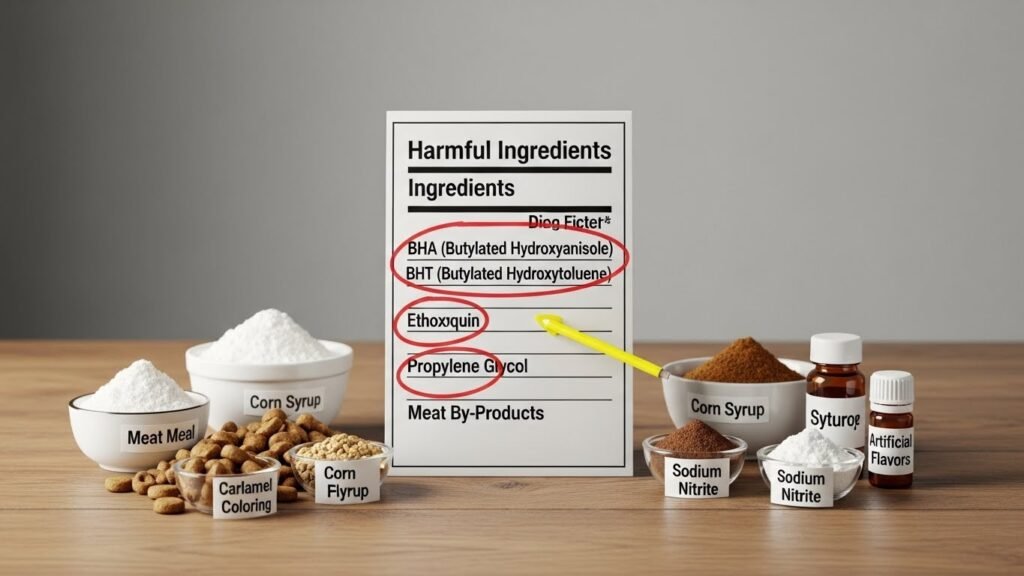
Reading dog food labels correctly empowers owners to make informed choices. Ingredients are listed by weight, meaning the first few items represent the majority of the formula. Clearly named animal proteins and recognizable ingredients are positive indicators.
Guaranteed analysis provides insight into protein, fat, fiber, and moisture levels, but it should be evaluated alongside ingredient quality. Marketing claims alone do not reflect nutritional value.
Learning label basics helps owners compare products objectively and avoid misleading formulations.
👉Dog Food Ingredients to Avoid: What Every Owner Should Know
Commercial vs Homemade Dog Food
Commercial dog food offers convenience and nutritional consistency when properly formulated. Reputable brands follow established guidelines to ensure balanced nutrient profiles across life stages.
Homemade dog food allows greater ingredient control but requires careful planning to avoid deficiencies. Without professional guidance, homemade diets may lack essential vitamins or minerals.
Both approaches can support healthy nutrition when executed correctly. The best choice depends on lifestyle, knowledge, and the ability to maintain balance consistently.
👉 Homemade Dog Food: Complete Guide for Healthy Meals
Transitioning to Better Nutrition Safely
Switching to a higher-quality diet should always be done gradually. Sudden changes can disrupt digestion and lead to temporary gastrointestinal issues.
A slow transition over seven to ten days allows the digestive system to adapt. Mixing increasing amounts of the new food with the old food helps maintain stability and identify potential reactions early.
👉 How to Switch Dog Food Safely: A Step-by-Step Transition Guide
Careful observation during the transition supports a smoother adjustment and long-term success.

Final Thoughts: Building a Strong Nutritional Foundation
Building a strong nutritional foundation is one of the most impactful decisions a dog owner can make. Understanding dog nutrition basics enables informed choices that support health, energy, and longevity.
Balanced nutrition is not about following trends but about meeting biological needs consistently. By focusing on quality ingredients, appropriate portions, and life stage requirements, owners can support their dogs at every stage of life.
With the right knowledge and attention, nutrition becomes a powerful tool for promoting a healthier, happier future for dogs.